Your watch says rest — but nothing else supports that call. You feel fine, training's been steady, and the score looks noisy. Train normally today.
The coach that doesn't forget, doesn't sleep, and doesn't guess.
You open ChatGPT or Claude and think: “I do not have the energy to explain my whole life again.”
That is the moment Eureka is built for.
Eureka is a personal AI health coach with continuity. It remembers your history, understands the mess, filters out noisy signals, and guides the next useful step for you and your family without making you rebuild the context every time.
No starting from zero
One conversation forever
No device or blood panel to sell you
Built by people who coach
Good evening.
+
The part no dashboard handles
Real life doesn't happen in fundamentals.
Your blood report has three red flags. ChatGPT can explain each marker, but it does not know the last six months of your life well enough to tell what caused the change, what is noise, and what actually needs attention.
Your watch says you're 43% recovered. You feel fine, but a score built from sleep, pulse, and HRV is now asking you to ignore your own body.
Your knee hurts again, but the reason might not be your knee. It might be hidden in the week you trained too much, slept badly, skipped rehab, or forgot about that old back pain.
Your dad comes home from the doctor with one medicine added, one dose changed, and instructions he only half remembers. You have work, bills, family, and your own health to manage, but somehow you are also the one expected to remember what changed and understand what it means.
If you're a woman, you are still treated like a small man. Your cycle changes, your energy crashes, and the answer is somehow always stress, PMS, or aging. The real pattern may be in your bleeding, sleep, iron, training, and life stage, but generic advice and dismissive care rarely hold all of that together.
You already know the broad advice: eat better, train consistently, sleep more, manage stress, move without pain.
What is missing is the practical layer underneath it: how to choose lunch when work is chaotic, how to restart after a bad week, how to adjust training after poor sleep, how to remember rehab when pain is quiet, and how to notice the patterns that are actually worth tracking.
You do not need another place to ask a health question and start from zero. You need something that remembers what has already happened, connects it to what is happening today, and helps you see the next step without rebuilding the whole story every time.
That is what Eureka is built for.
Our position
The whole industry is making the same bet.
Your health does not need another dashboard. But that is all anyone is building.
The giants behind your watch, band, and ring will never admit that their devices generate questionable data, then proudly build AI on top of that data. A real signal and an invented score, on the same screen, with the same authority. All the look of science, none of the work. And do not expect them to fix it: they sell the foundation, so they will never tell you the foundation is shaky.
The flood of startups is making the same bet from the other side: connect your biomarkers, wearable data, food logs, symptoms, and sleep scores, then let AI "find the insight." But that data is not raw biology. Much of it is already a manufactured score, proxy, estimate, or vendor-made inference.
So the AI is not reasoning from truth. It is running inference on inference, then selling the result as a health insight.
Connecting all your biomarker and wearable data to an AI health product is the most intuitive and the most wrong way to build it.
Here is our position: your wearable data and your biomarkers do not need to talk to each other.
They need to shut up unless they have something useful to say.
We will show you why in the pages that follow.
Engagement vs. judgment
The answers other health apps can't afford to give you.
The engagement loop is the business model. Another score. Another alert. Another trend. Another reason to open the app. Eureka is built to end the loop.
It can tell you when nothing needs doing. It can tell you when the data is too weak. It can tell you when the answer is outside coaching. It can tell you to ignore the thing another product would turn into a notification.
That is the difference between engagement and judgment.
Eureka has no score to sell you, no device to defend, and no reason to keep you anxious. Its only job is the next right step. Sometimes that step is: relax.
Why we can be honest
We can be honest about the science because the incentives line up.
The conflict in health tech is structural — and it usually runs against you.
If a company sells a device, it needs the device's signals to matter.
If it sells blood panels, it needs the panel's markers to matter.
If it sells a score, it needs you to keep checking it.
We do not sell devices or blood panels, and Eureka is not built around any specific watch, band, ring, lab, or wearable ecosystem. That means it can treat every signal as evidence to evaluate, not a source it has to defend.
The science layer behind Eureka is public through FreeGym-Wiki, so our evidence base is not a private story we ask you to trust.
And because we coach, the incentive runs the other way. A coach is judged by whether you actually get better. Bad science doesn't help the client, and it doesn't survive contact with real people.
That's why Eureka can tell you a marker doesn't matter, a test isn't worth it, a device won't help, or the best next step is to stop tracking.
What Eureka does
One system. Your whole health. Every day.
A serious personal coach was never just a trainer. It is the layer that connects training, nutrition, sleep, recovery, pain, behavior change, emotional care, medical context, family responsibilities, and the numbers that need a skeptical read.
After Eureka, you won't have to manage your health and fitness in your head, or in fragments across a dozen apps. It remembers the context, acts on your behalf, and guides the next step across the messy parts of real life.
Training & nutritionPlans, adjustments, logs, meals, progress, and the daily decisions that keep the work moving.
Sleep & recoveryNot just scores, but what actually changes today's plan.
Behavior changeCravings, routines, restart days, workdays, travel, friction, follow-through, and the gap between knowing and doing.
Emotional careStress patterns, overwhelm, hard days, motivation crashes, and the moments when health becomes too much to carry alone.
Pain & movementTraining load, rehab, flare-ups, physio context, and when symptoms need professional attention.
Women's healthCycle changes, bleeding, iron, recovery, contraception, postpartum changes, perimenopause, and the patterns generic advice usually misses.
Family healthParents' labs, medication notes, appointments, care routines, reports, reminders, and follow-ups.
Medical preparationRecords, timelines, visit summaries, and the right questions for your clinician.
Skeptical data readingLabs, wearable signals, scores, trends, weak data, and vendor-made guesses treated with the caution they deserve.
Safety boundariesKnowing when something belongs with a licensed professional instead of a coaching answer.
It's proactive, not reactive — it reminds you, follows up, notices the pattern you missed, and prepares the report before you knew you needed it. Preventive medicine isn't the whole product; it's one small part of serious coaching done properly.
What using it actually looks like
01
You bring the mess — meals, training, sleep, reports, symptoms, worries, plans, your parents' labs, your kid's appointments, medication notes, care routines, and the family responsibilities you are trying to keep straight. As photos, voice notes, screenshots, PDFs, or half-formed sentences. Eureka makes sense of it.
02
Eureka organizes what matters.
03
It filters the weak and noisy signals.
04
It checks advice before it becomes action.
05
It guides the next useful step.
06
It remembers what happened.
07
It adapts as your life changes.
The product is not another score. The product is better judgment, running daily.
Discipline-specific coaching
Not generic workout advice.
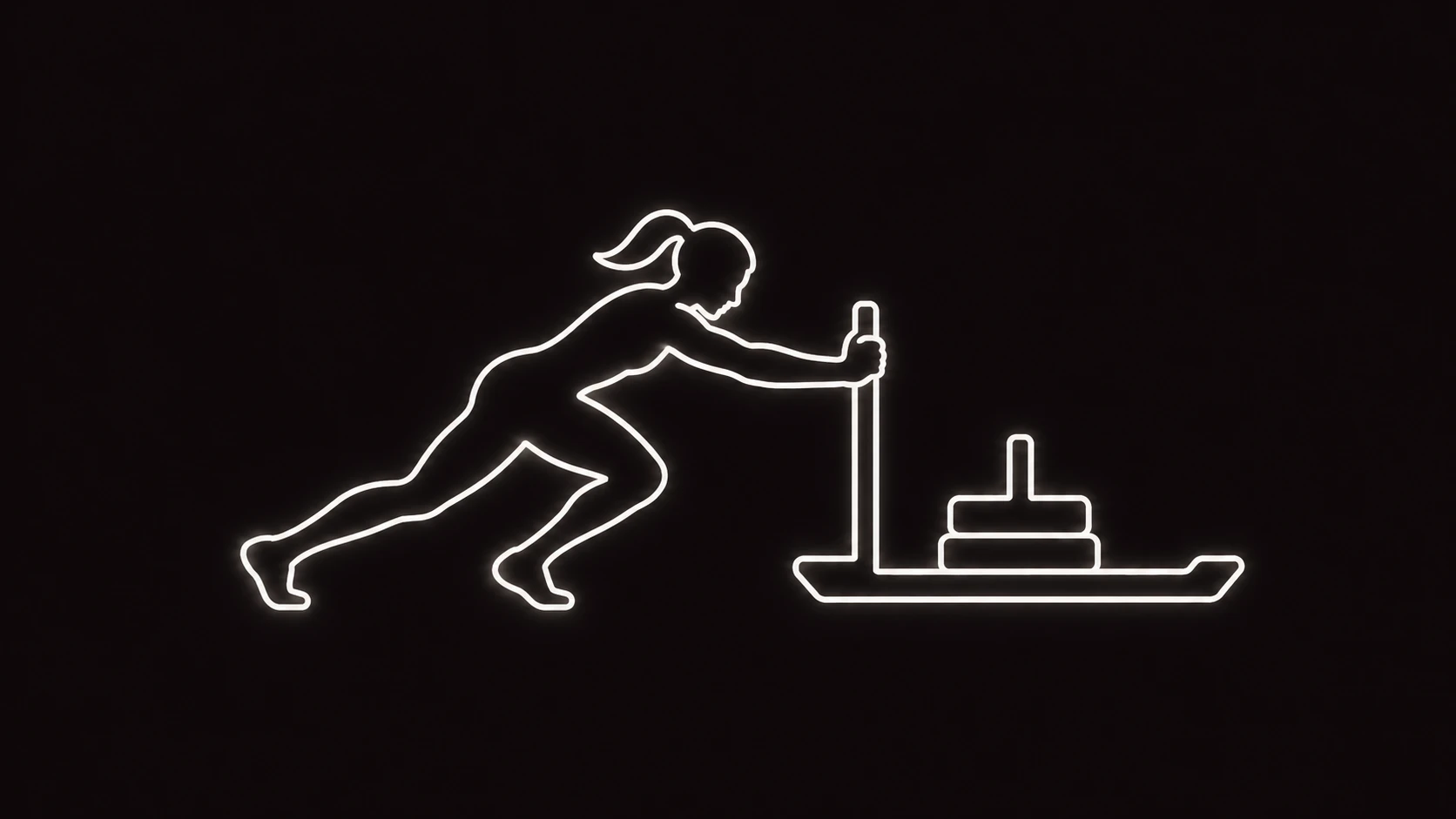
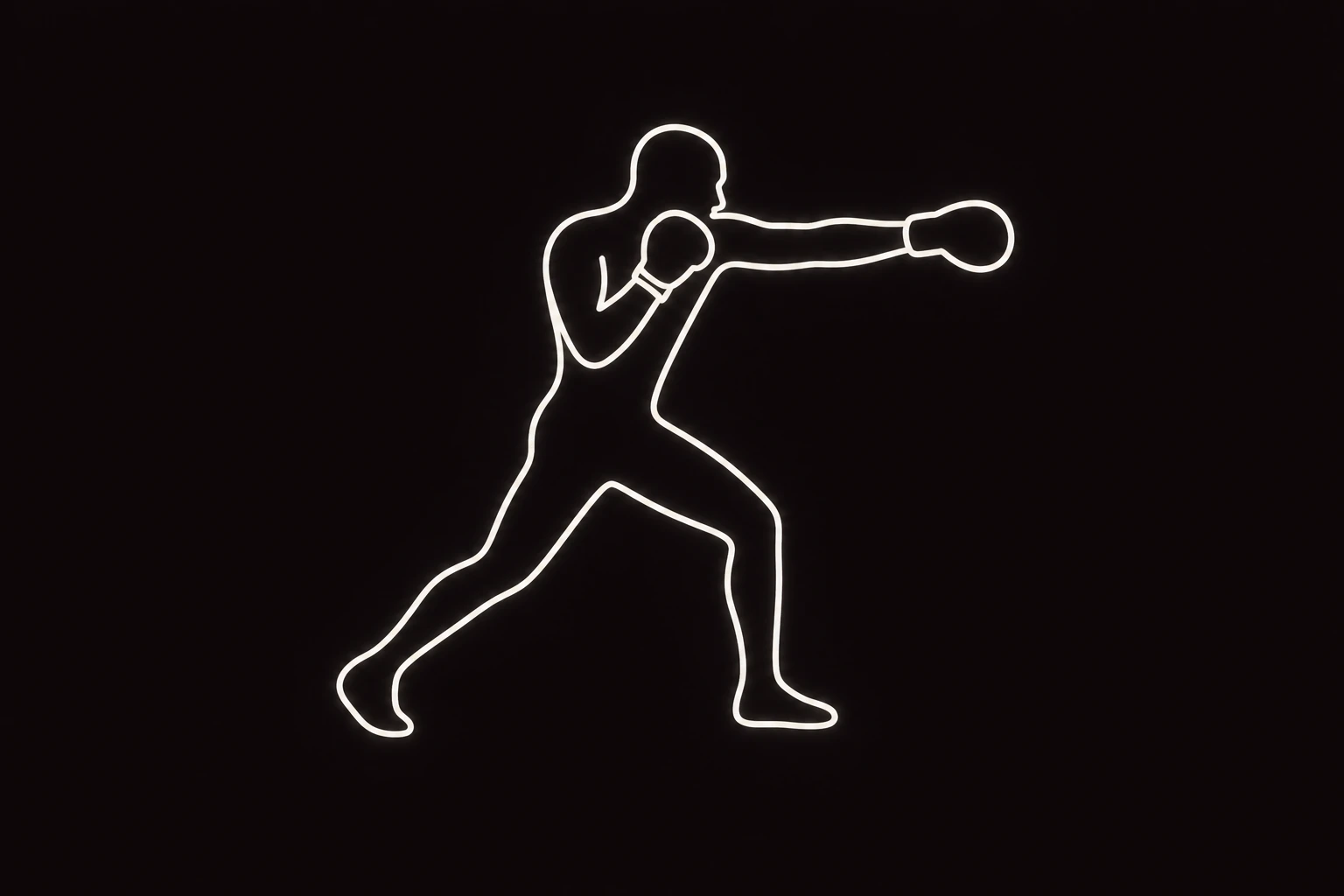
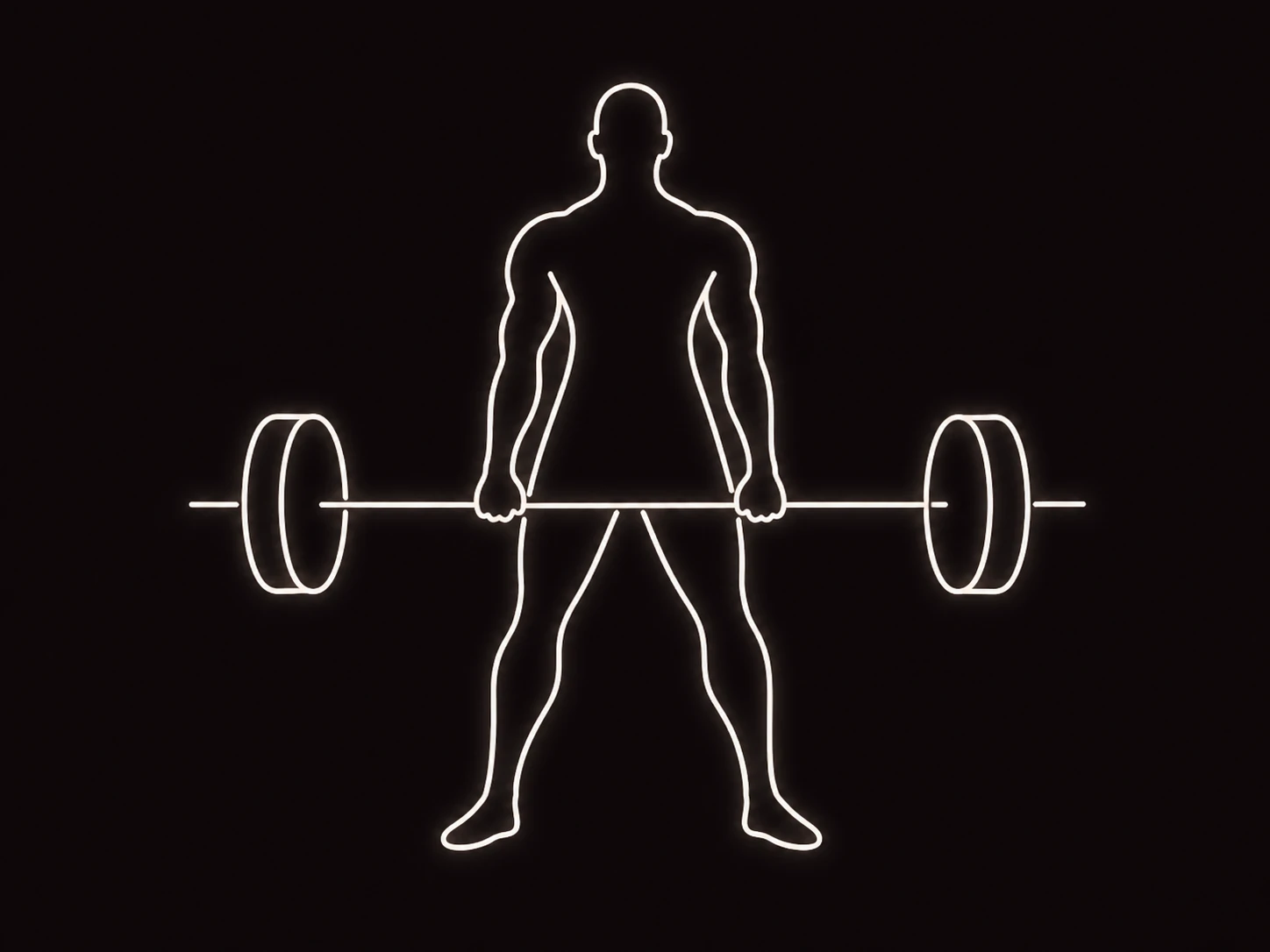
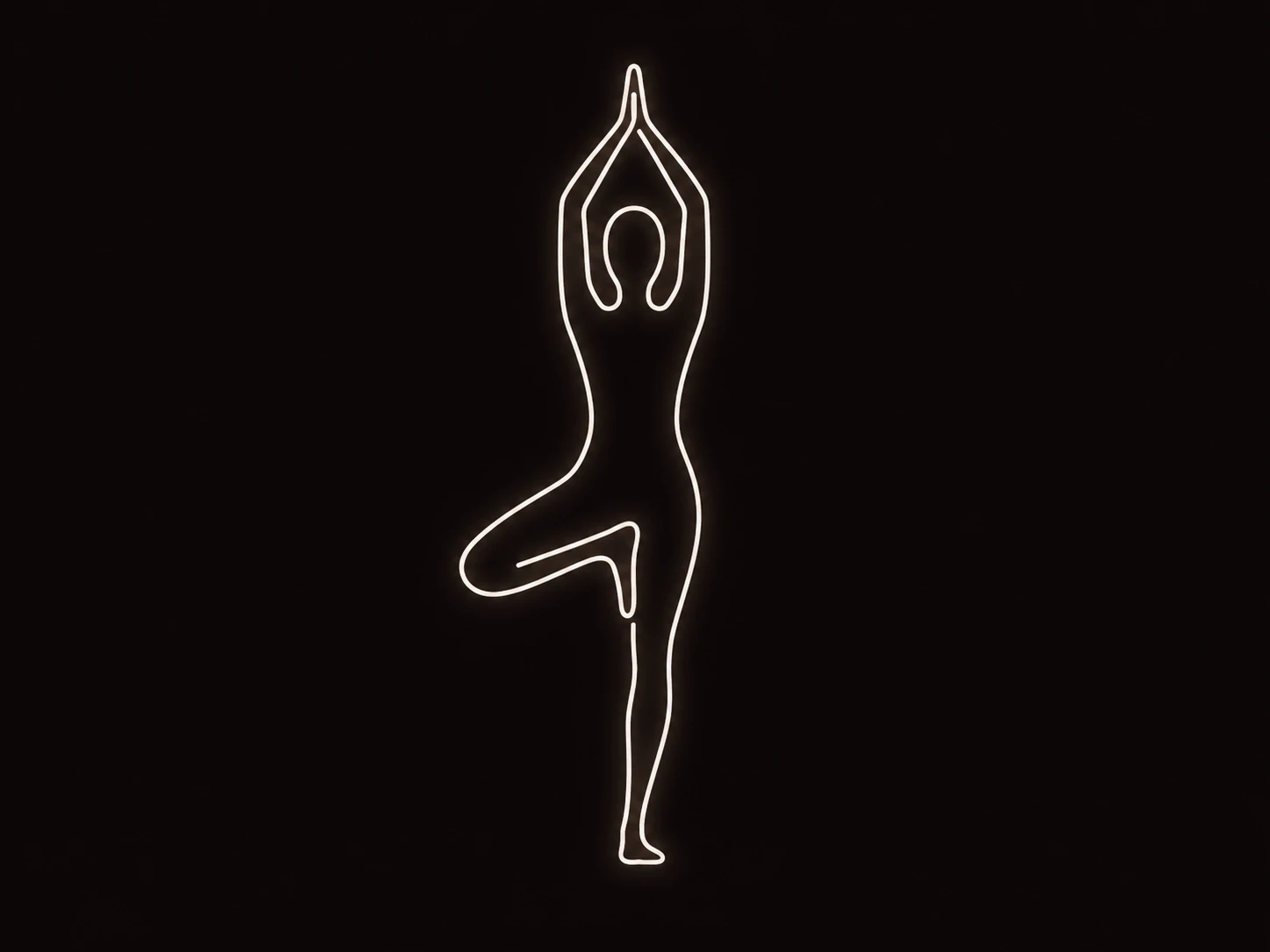
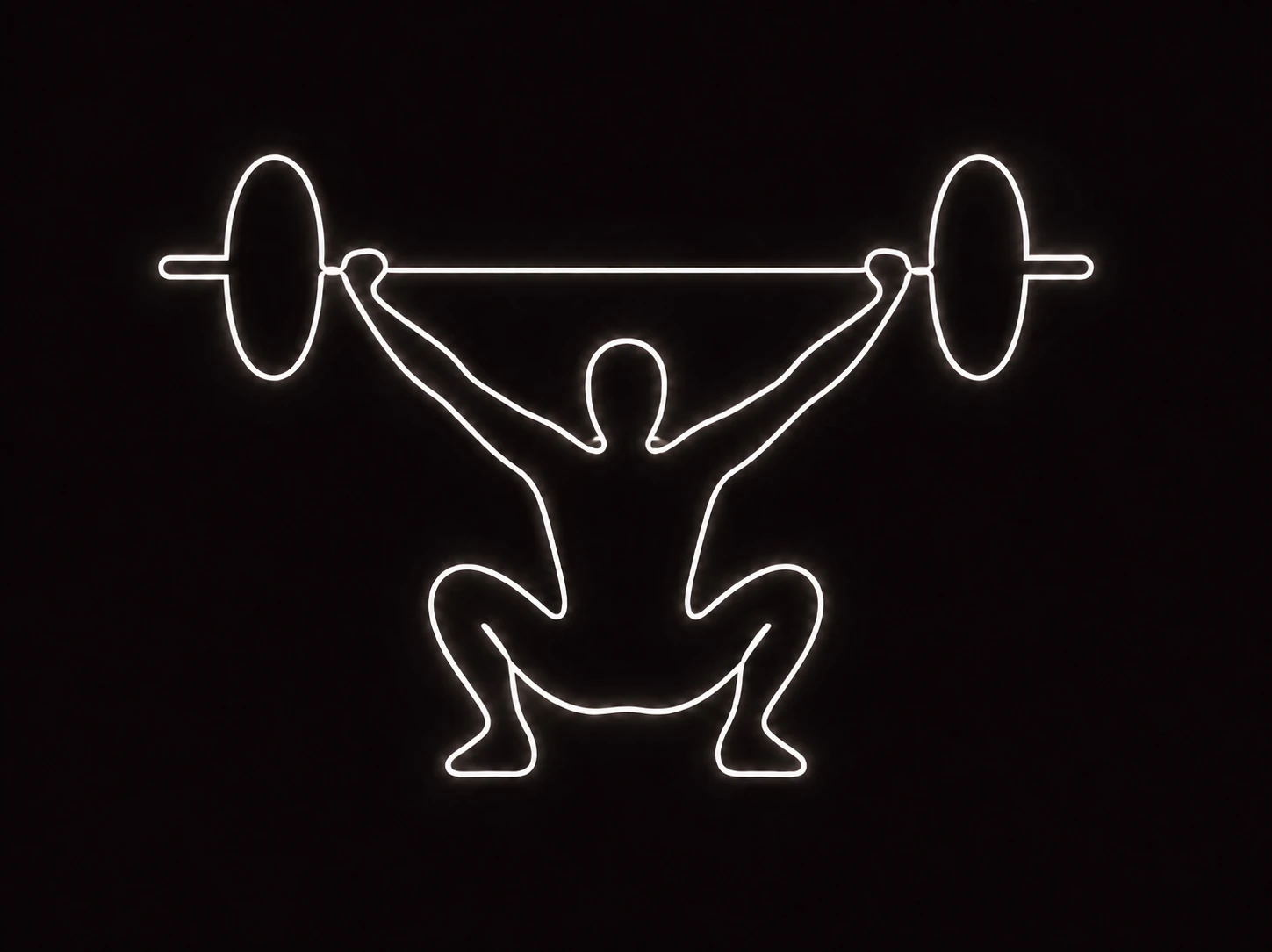
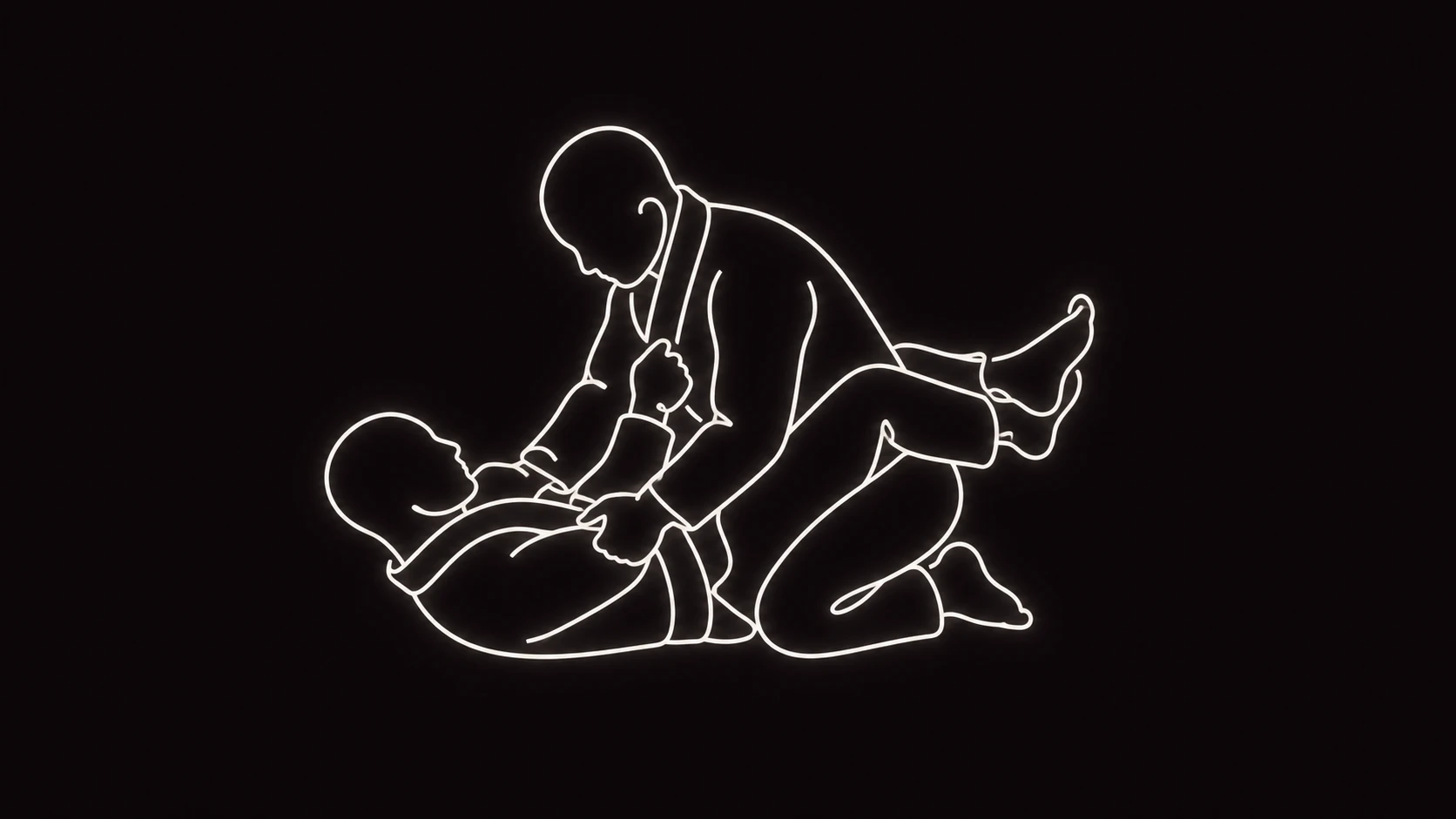
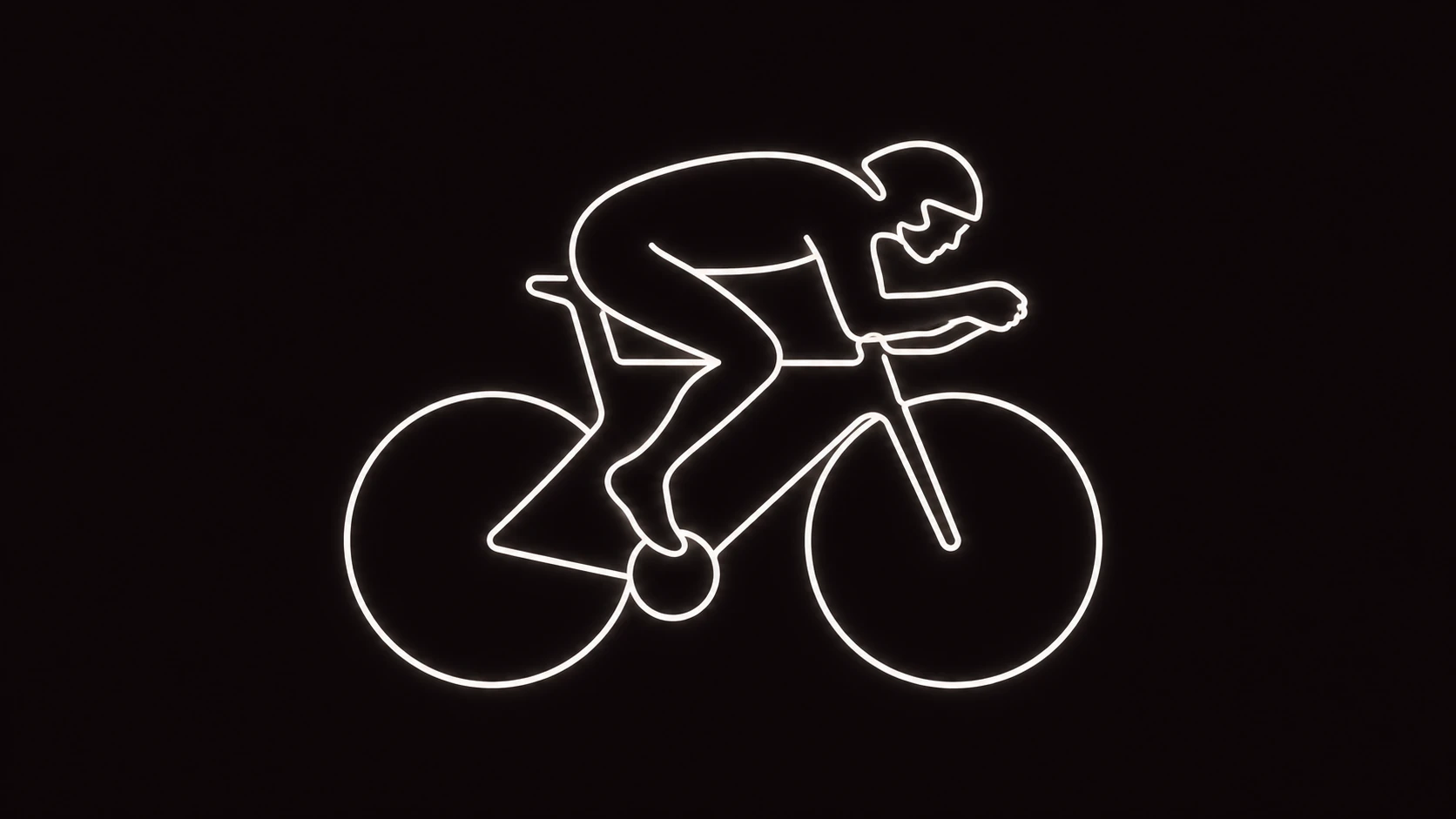
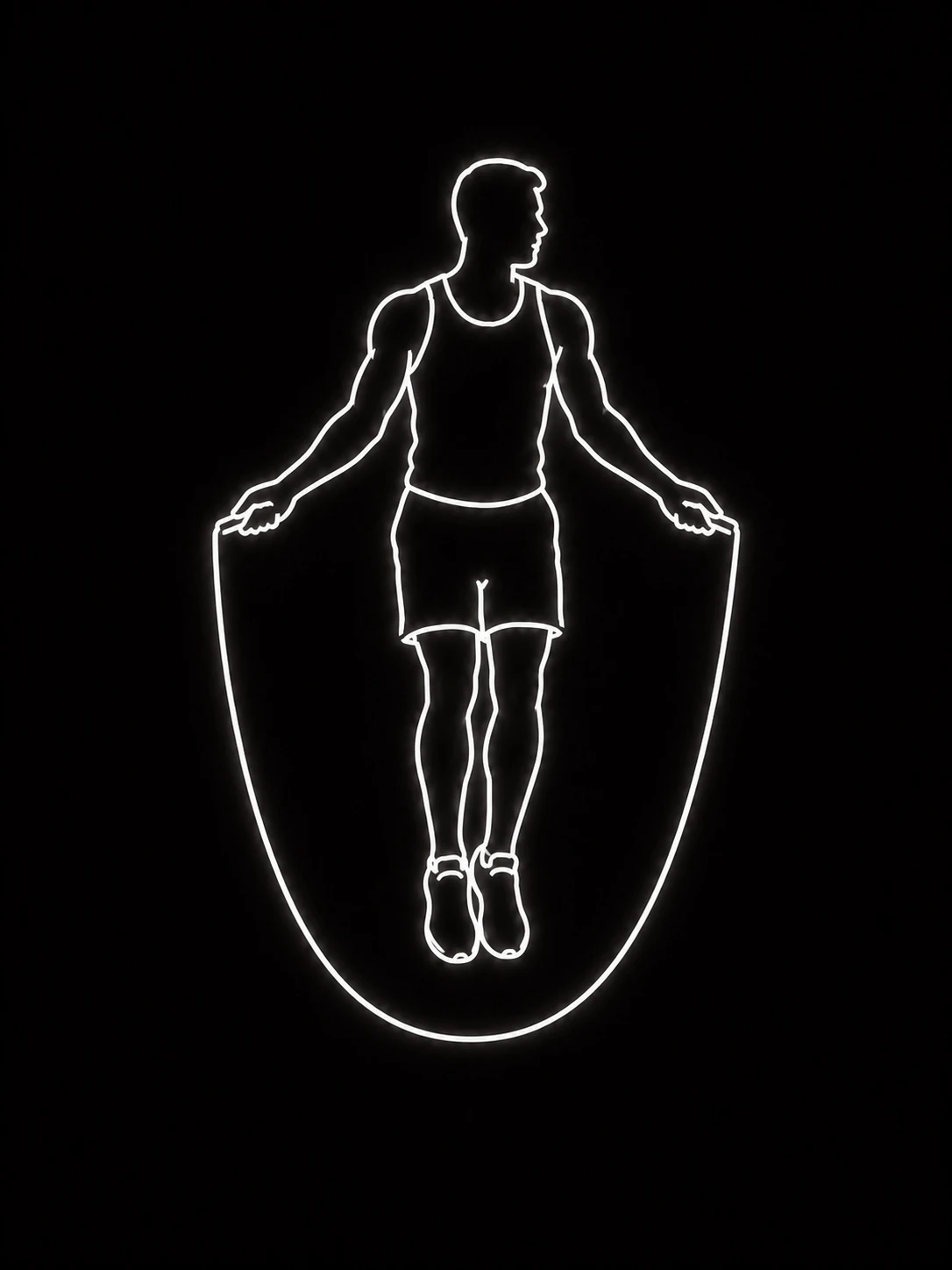
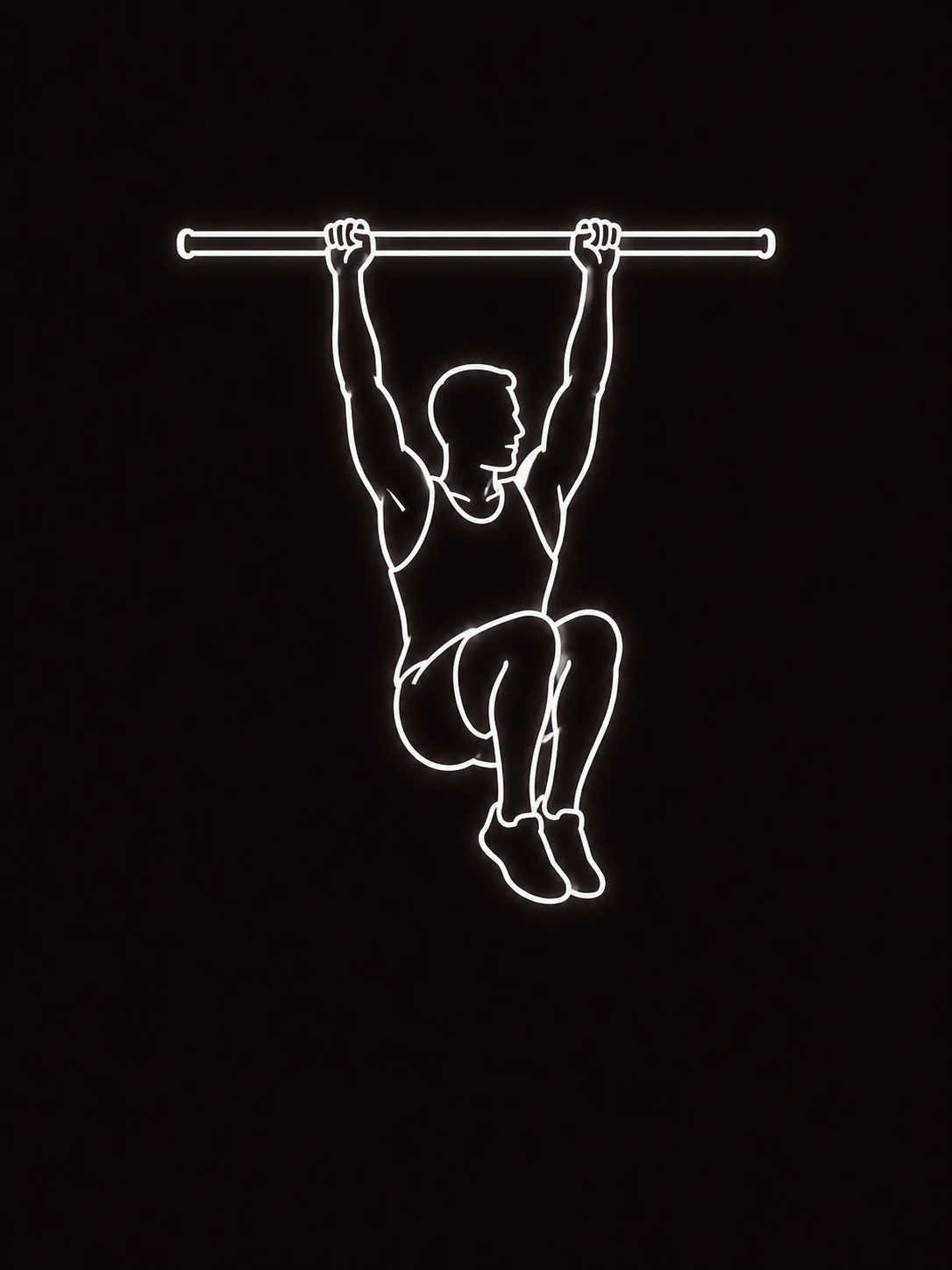
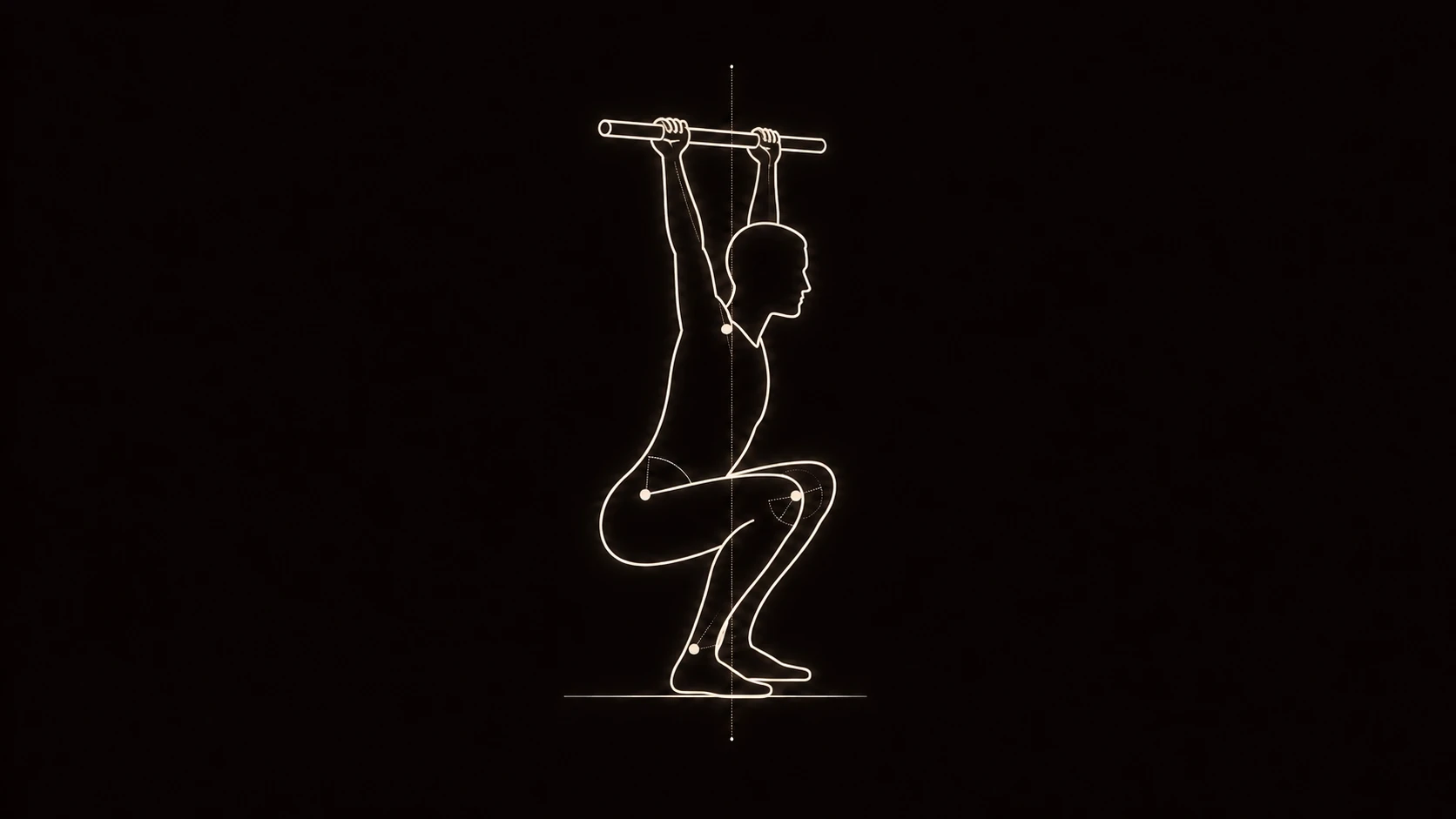
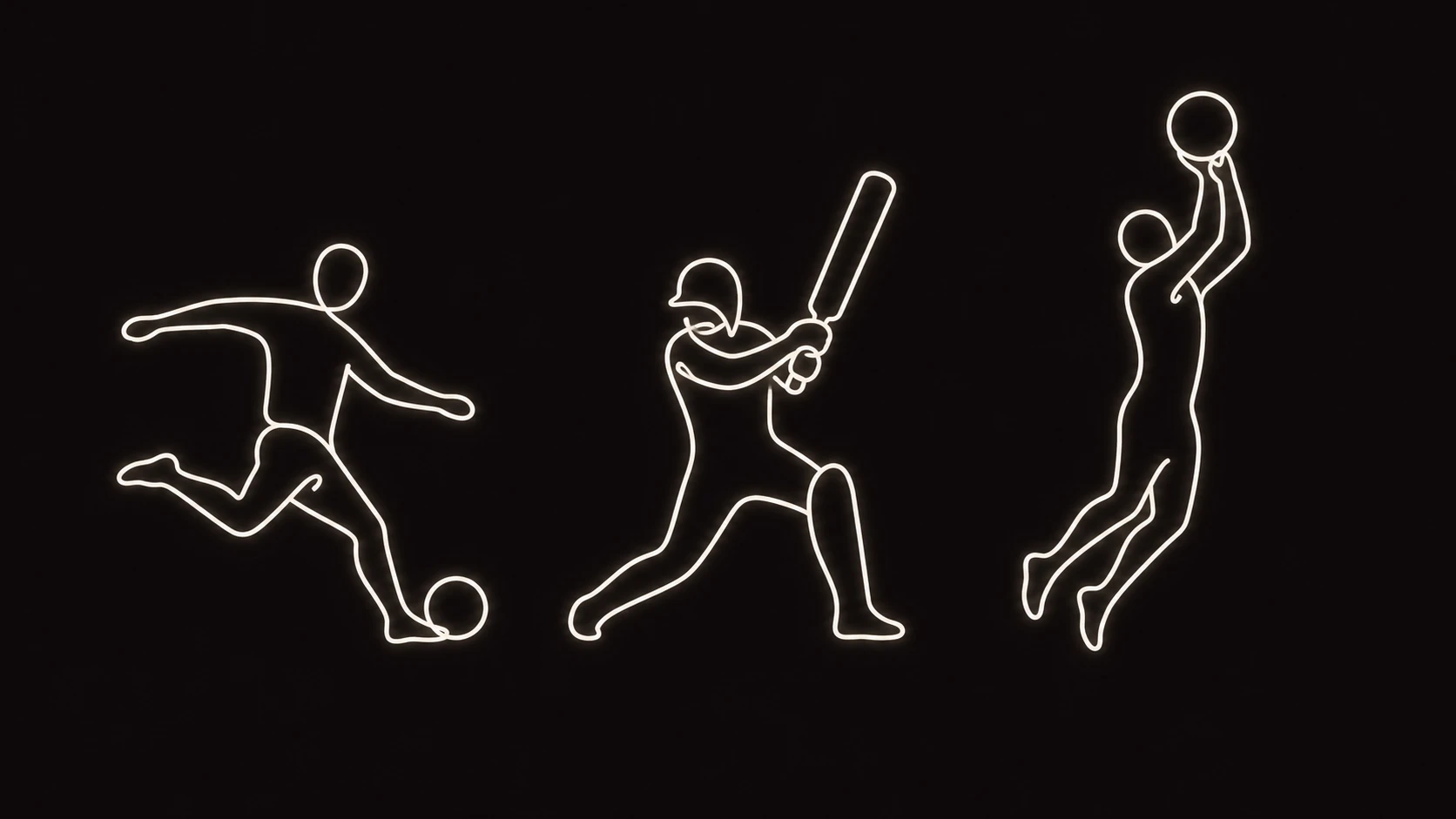
Eureka doesn't treat training as one generic problem. It has built-in coaching frameworks for the sport you actually do — and understands the support work around it.

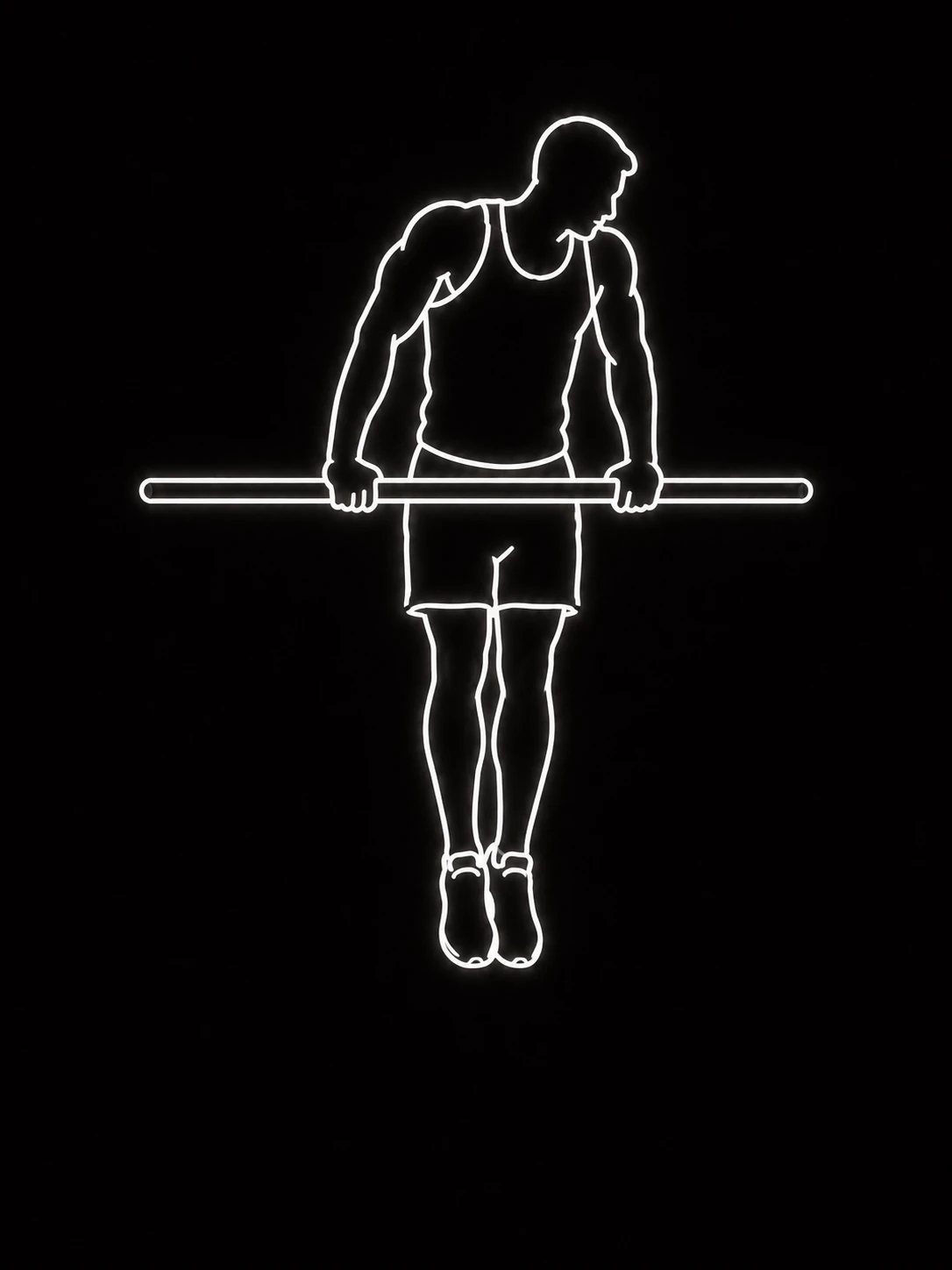
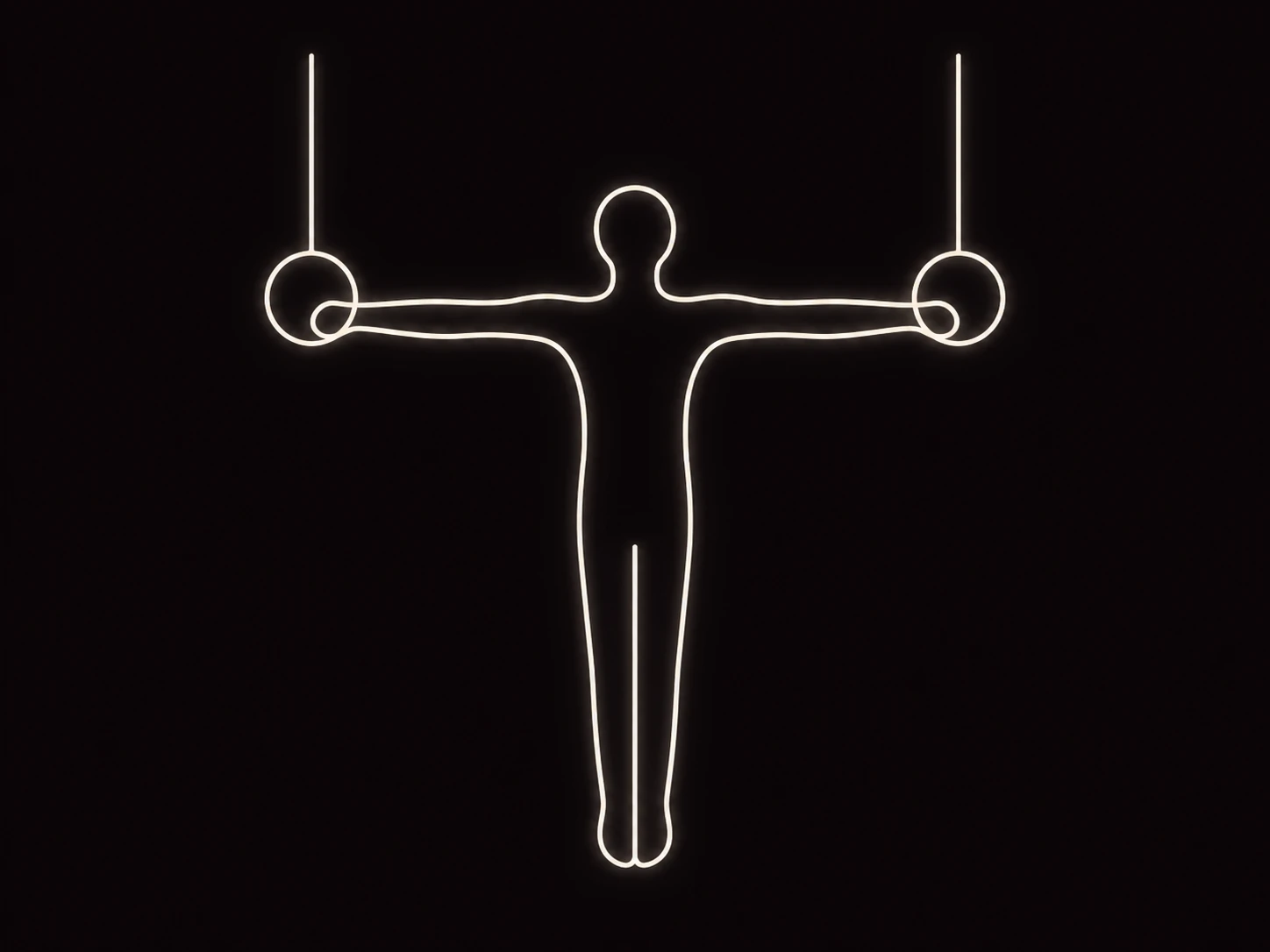
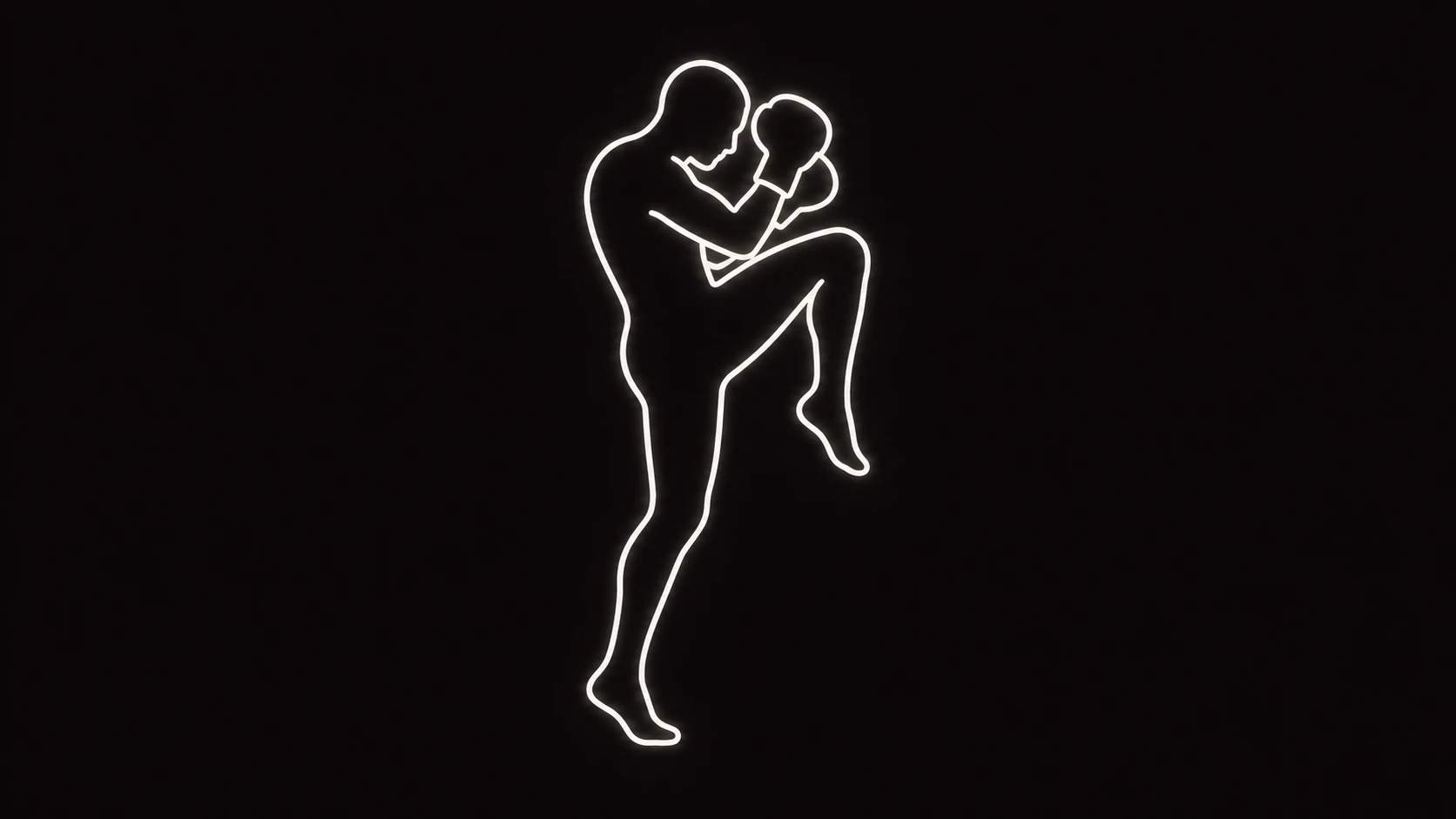
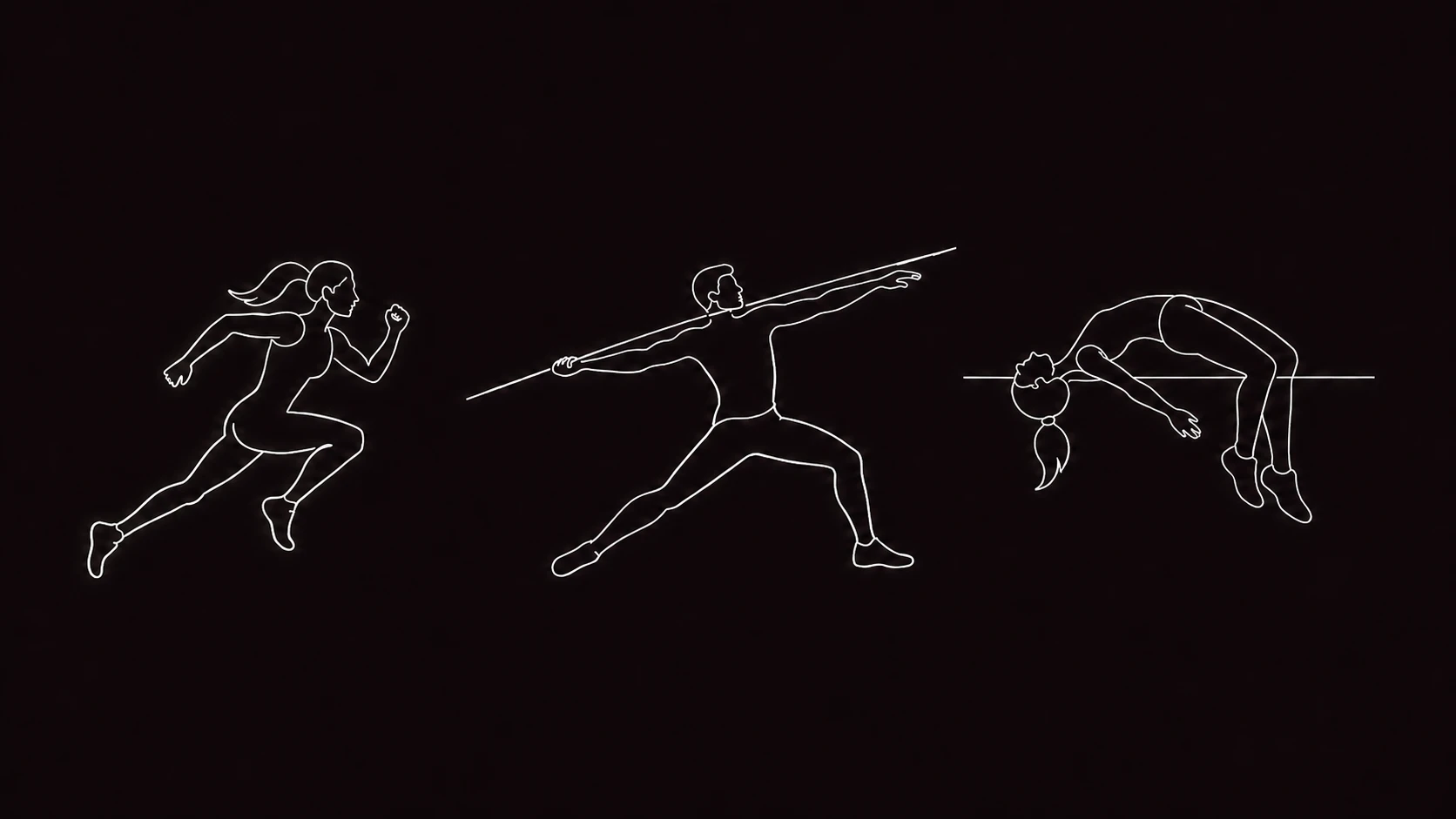
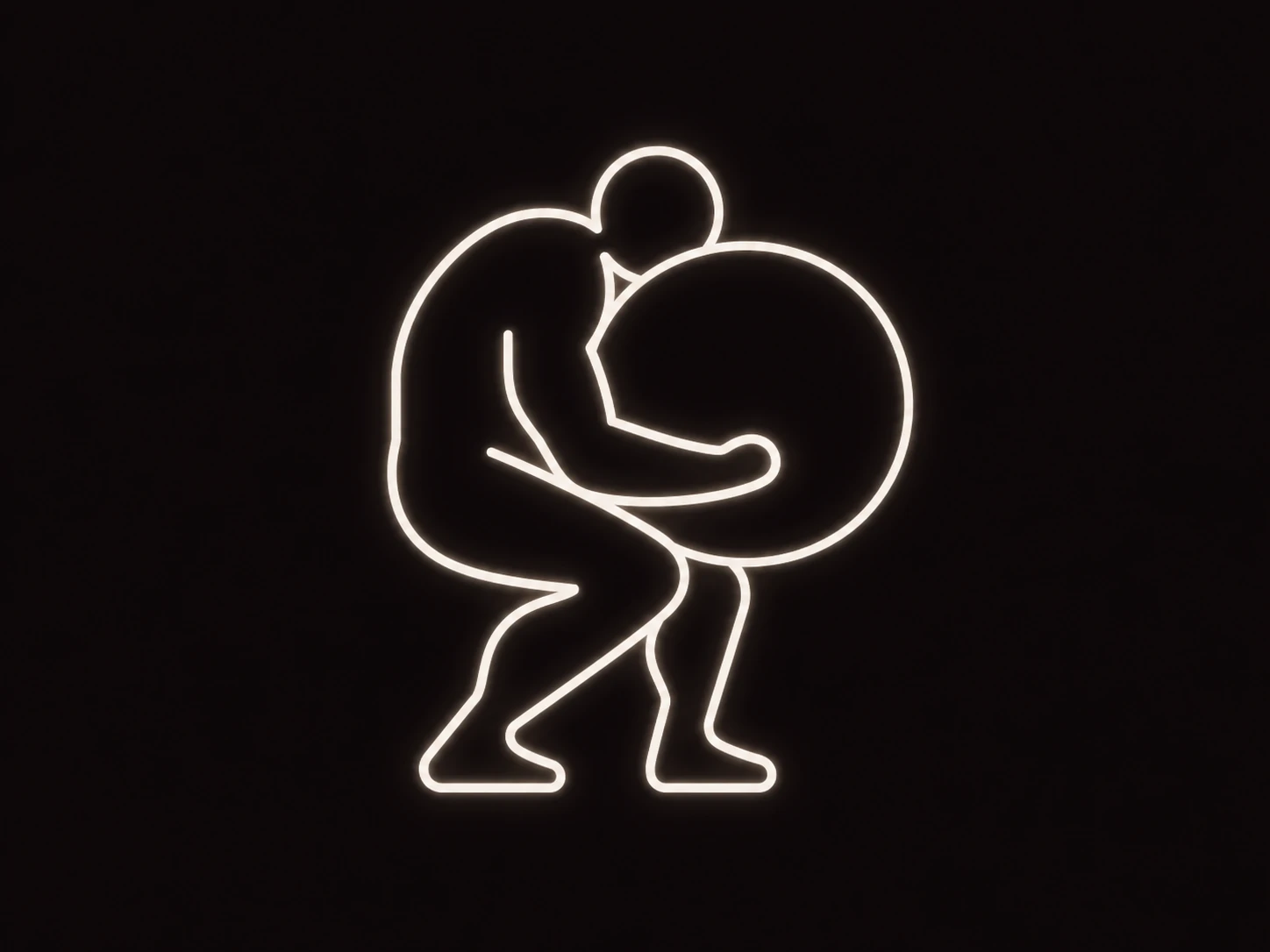
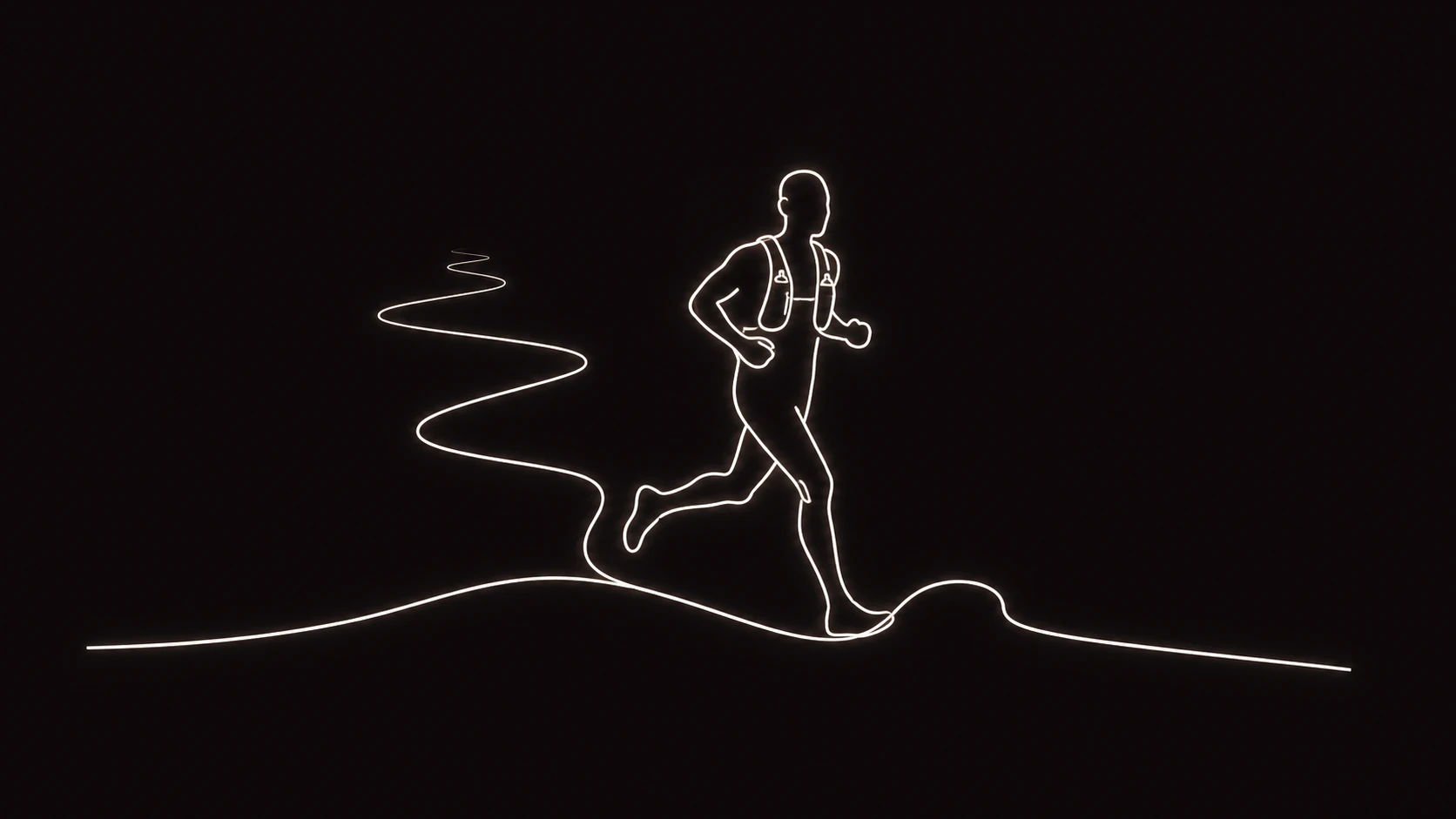
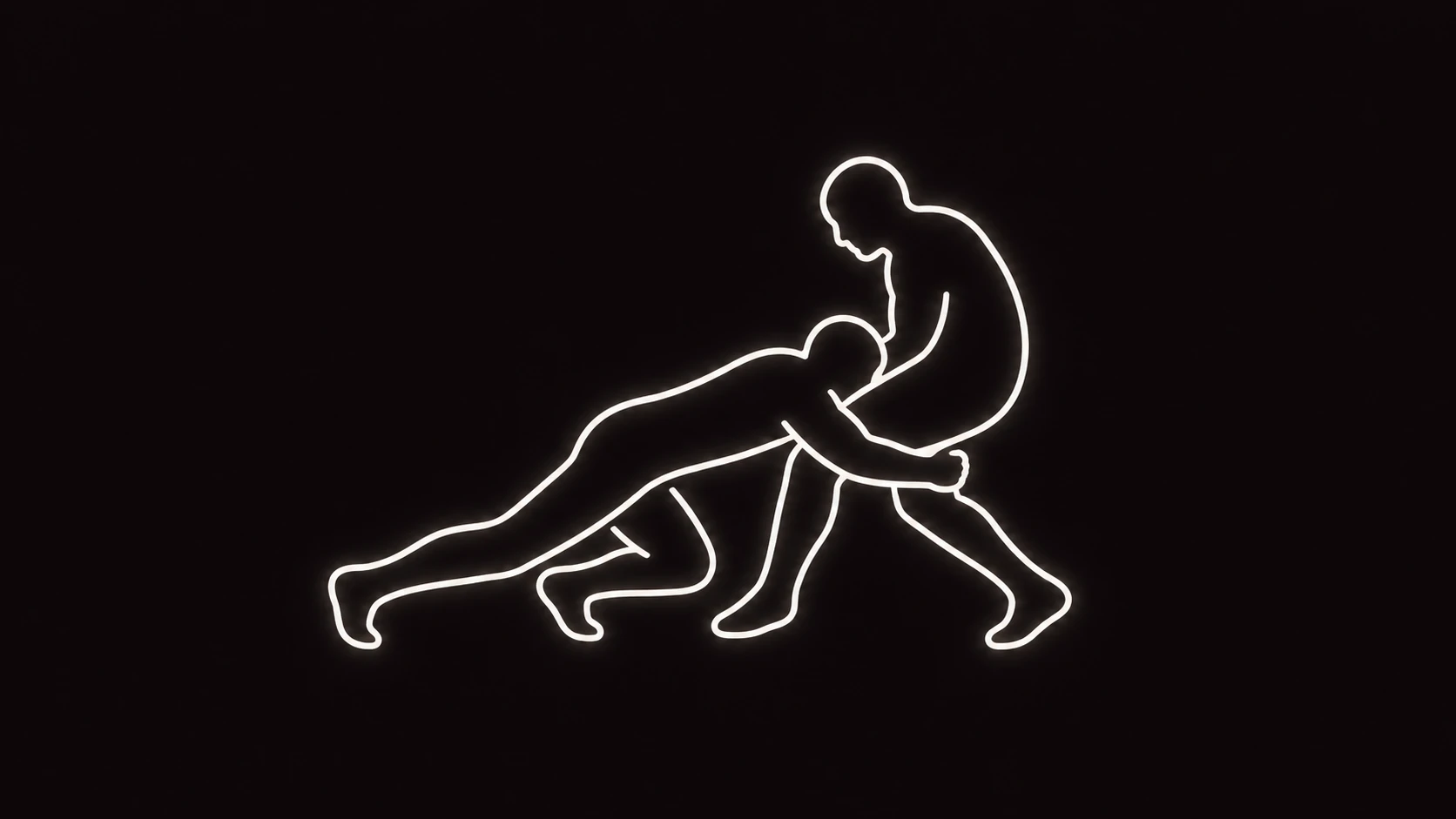
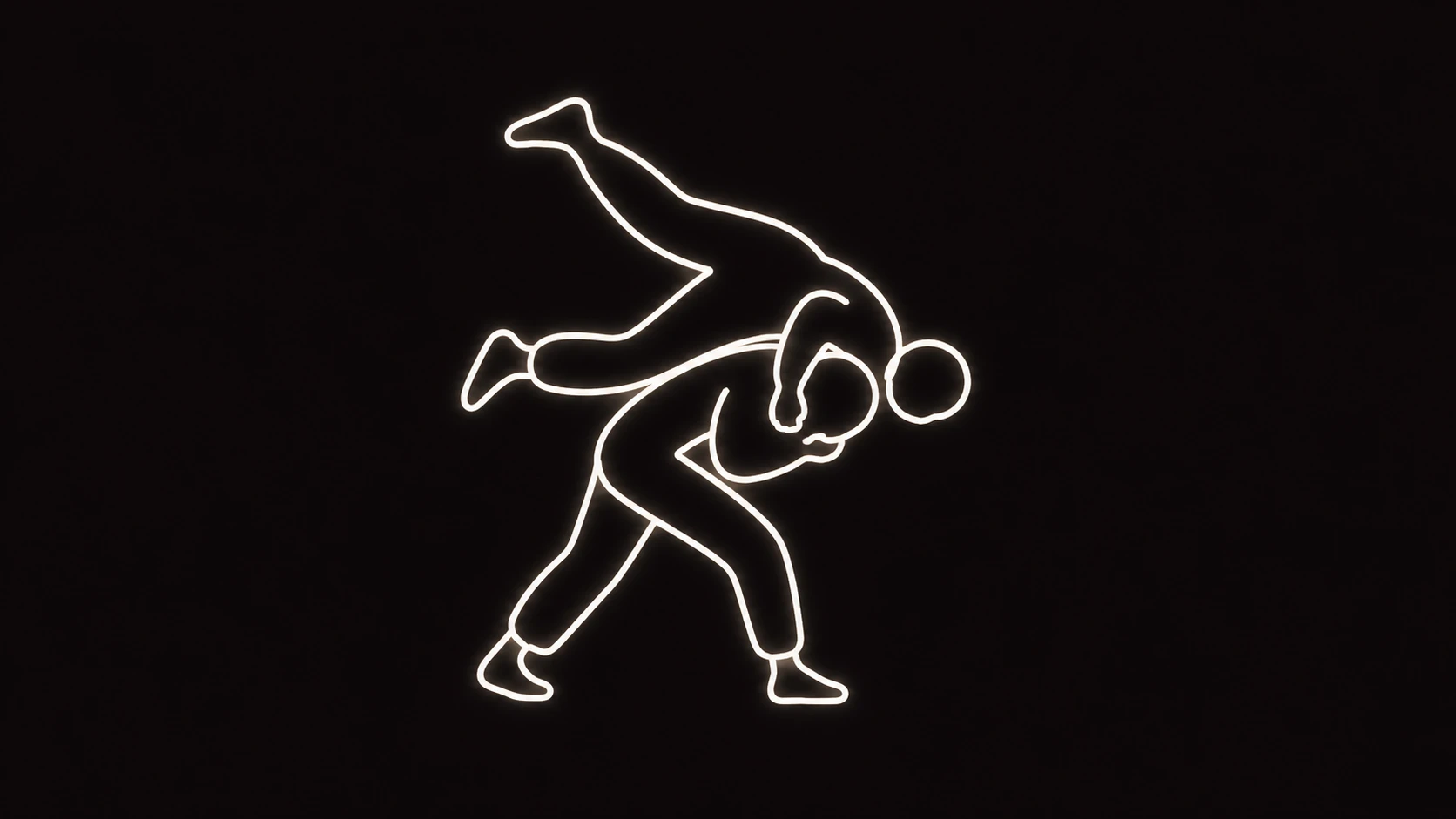
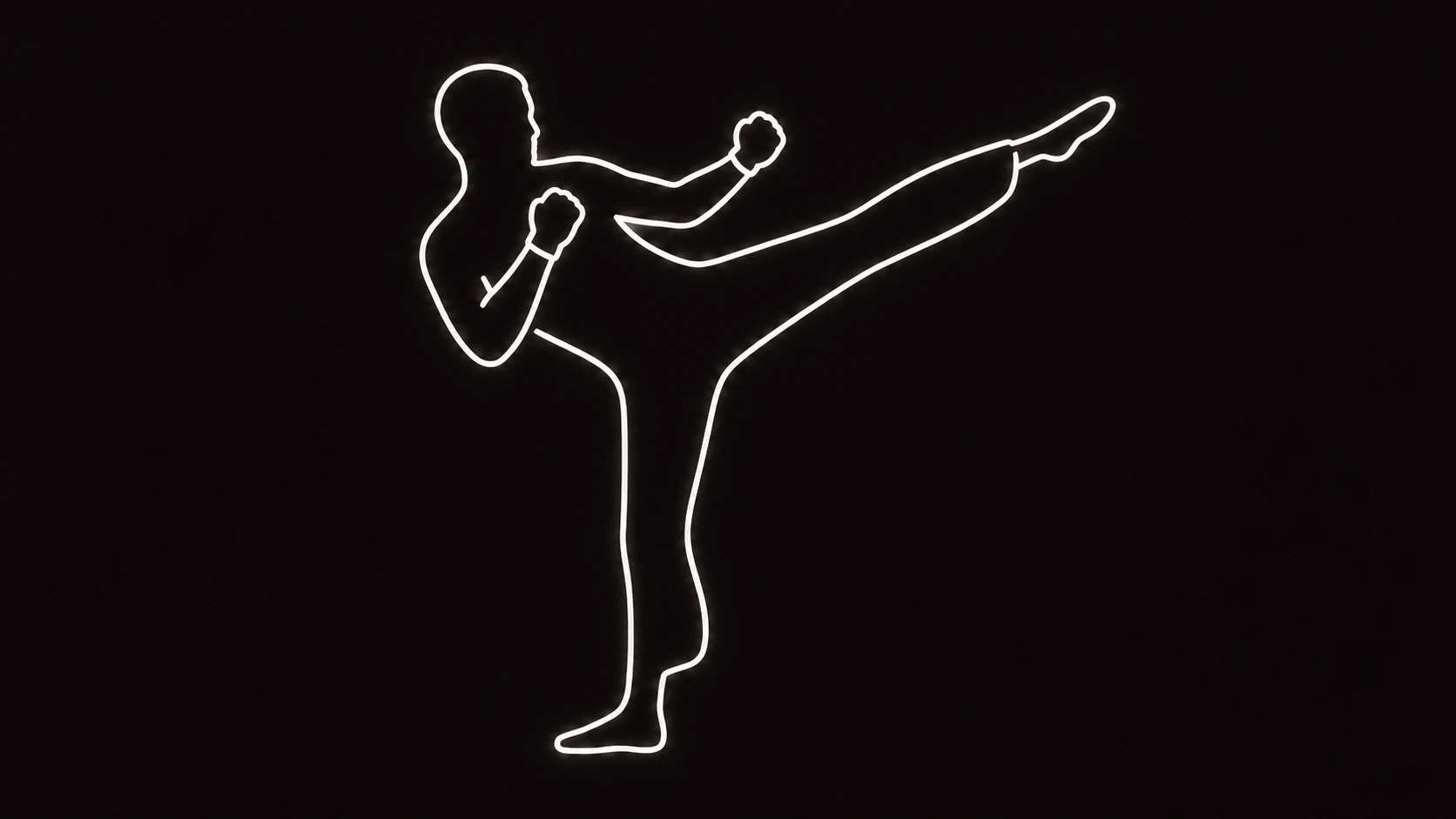
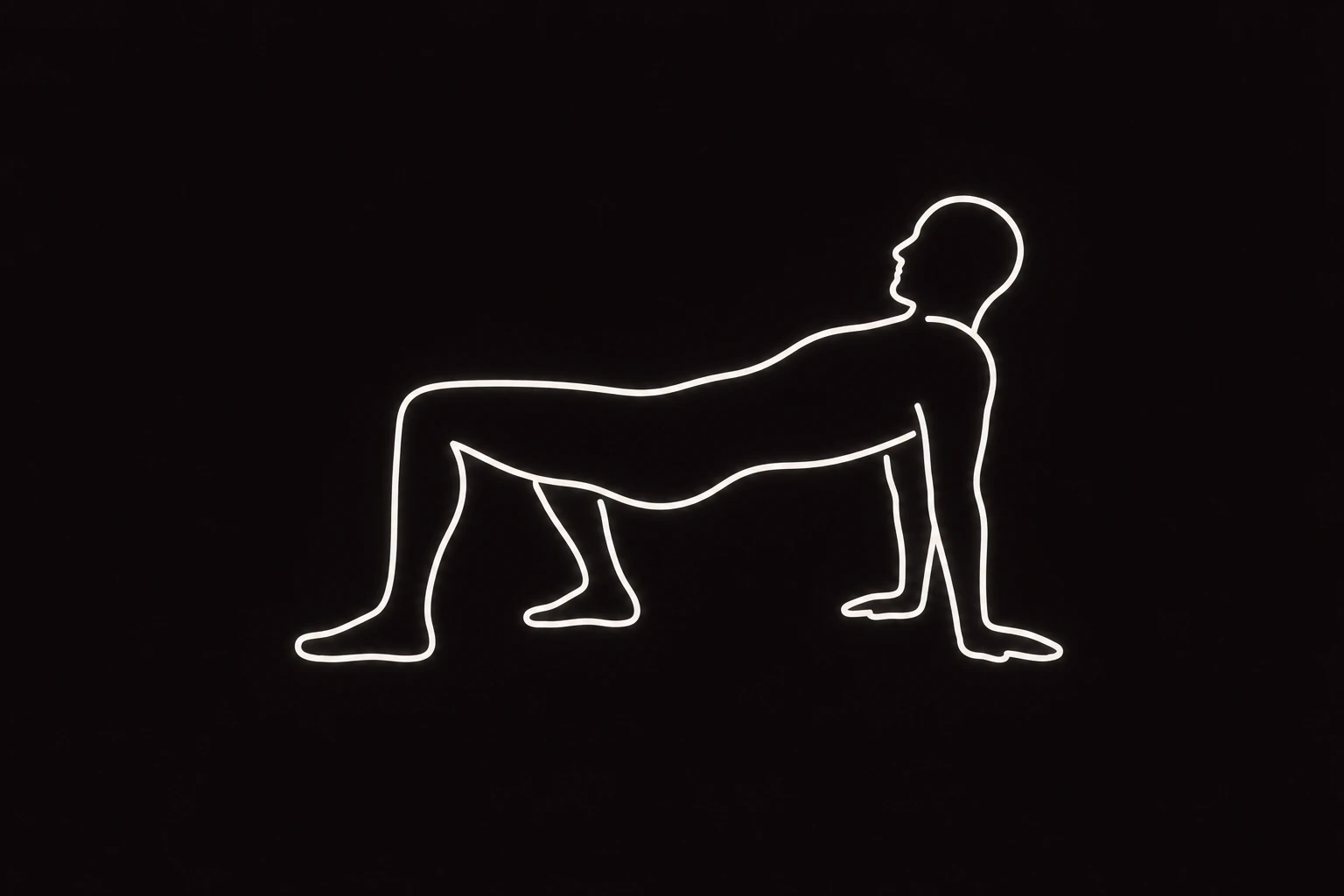
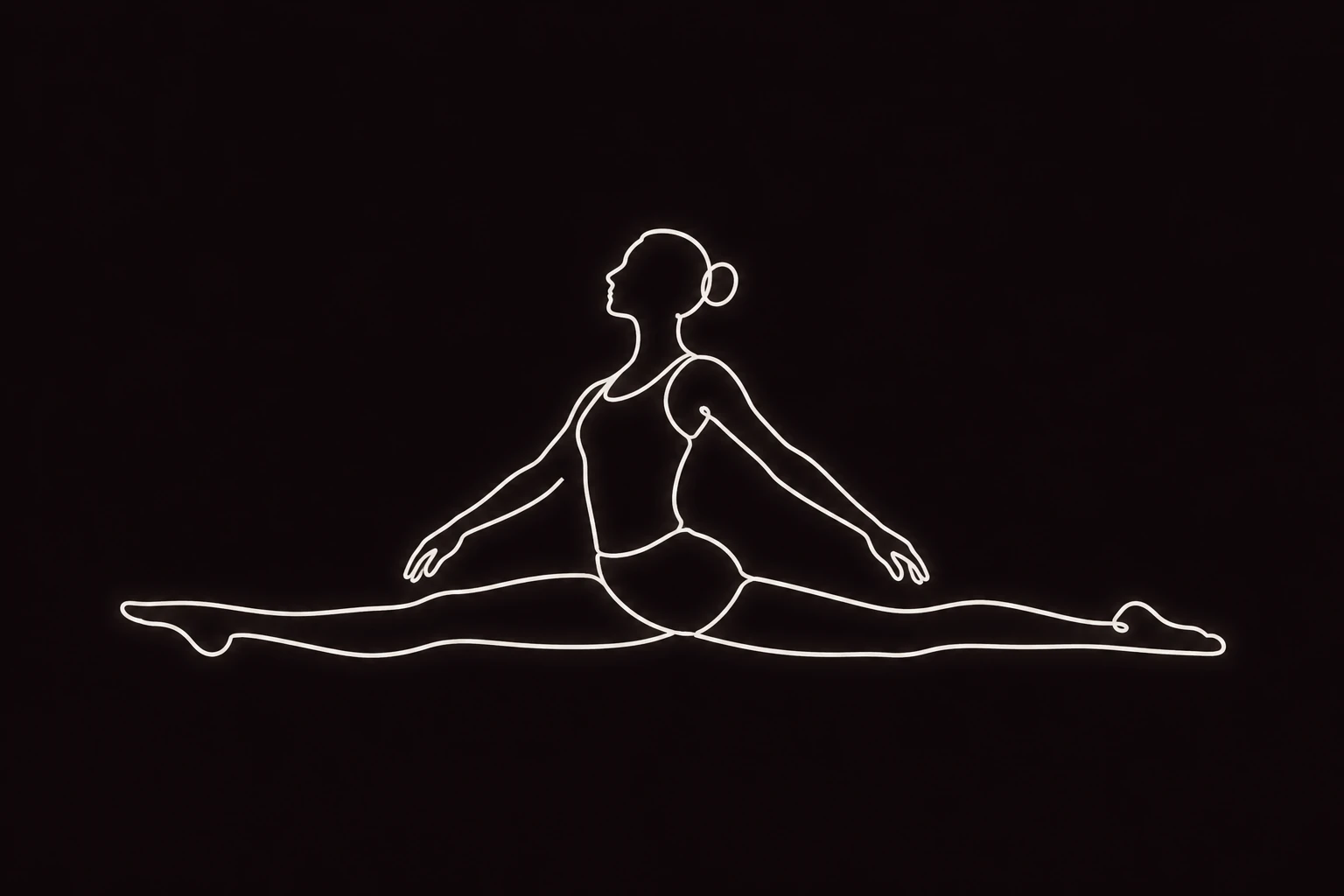
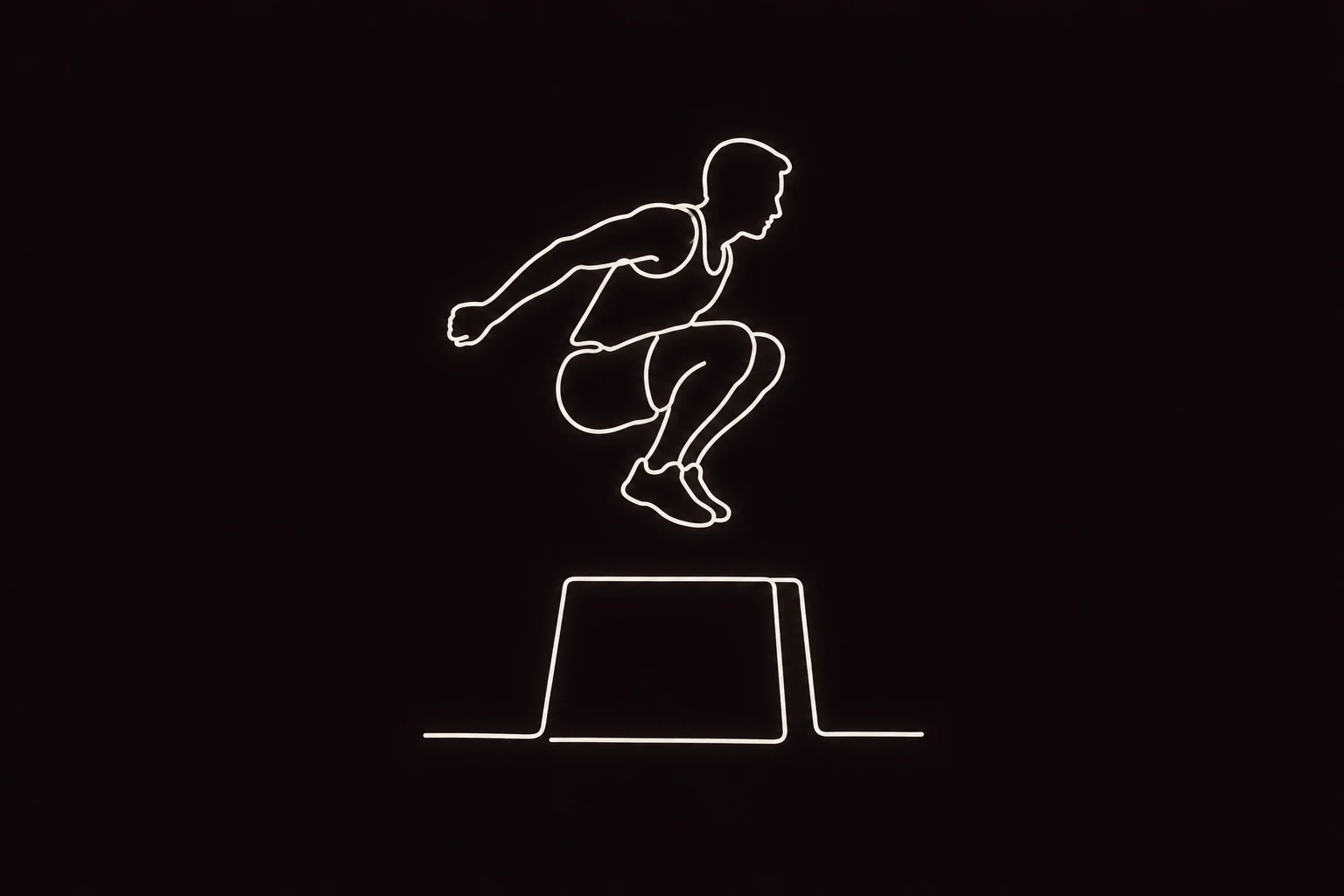
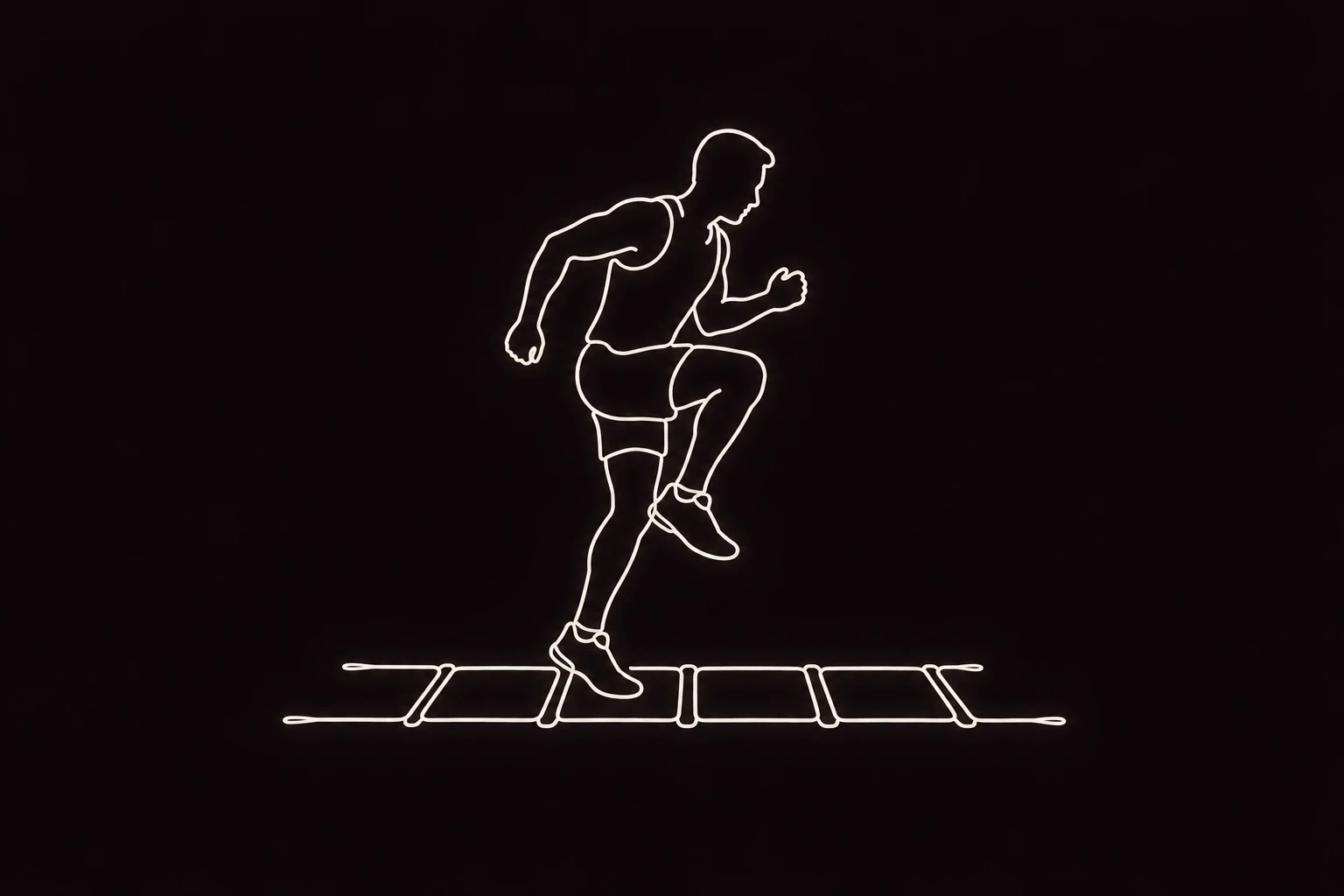
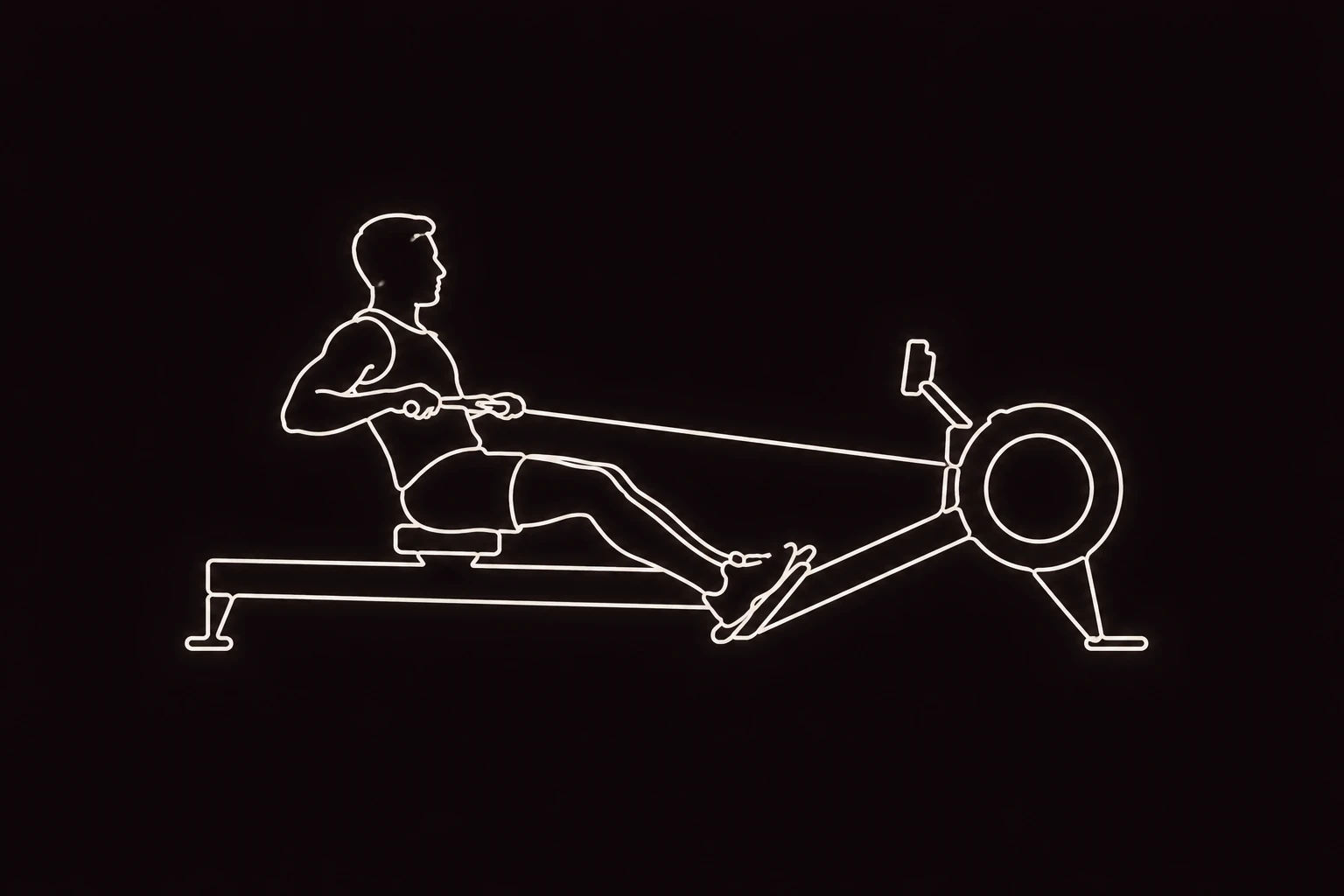
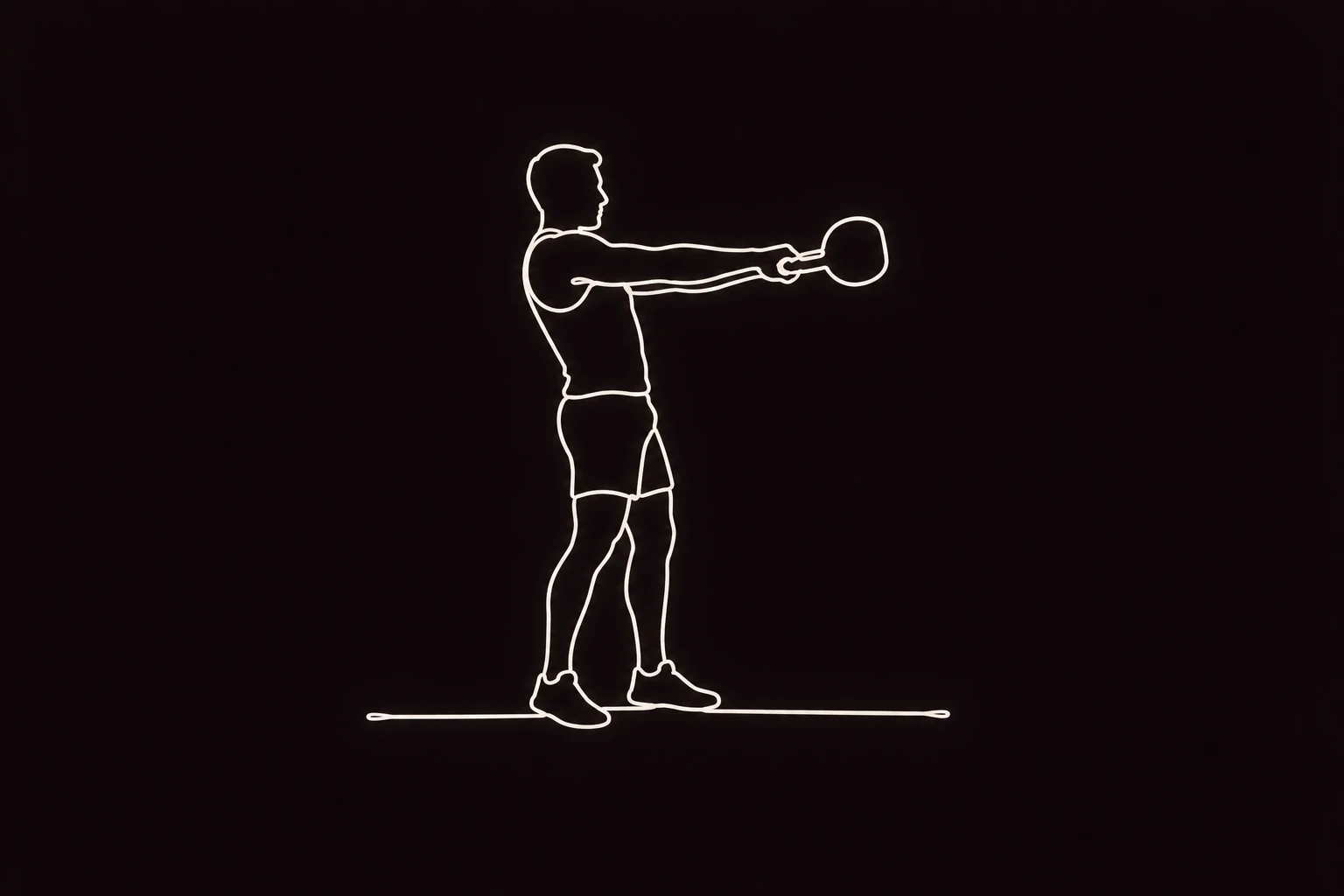
01/29
A hard session doesn't mean the same thing in powerlifting, boxing, marathon training, gymnastics, HYROX, or yoga. Each has different progression gates, movement demands, skill libraries, and recovery costs. So Eureka isn't just making a plan — it's reasoning from the demands of the thing you're actually trying to do.
See it think
Small messages. The whole story.
Because real life rarely arrives as a perfect prompt. It arrives when you are too tired to explain, too worried to organize the details, or too overwhelmed to know what matters. Eureka brings the history, context, and judgment you did not have the energy to explain.
Story 1 · The restart
He came back sure it was all his fault.
Two years fighting back from an illness that gutted his energy, gone again in a fortnight. He skipped his medication when he finally felt good, then a fever hit, then travel, then the bad nights stacked up. He showed up ready to punish himself to make up for it. This is the conversation that wouldn't let him.
+
Caught: the pill he stopped taking, the fever, the travel, the nights he barely slept, how hard his body could actually handle, the walks and meals that never slipped, the training it made him pause, how far he'd really come, the grief of not being the runner he was, and the made-up debt it wouldn't let him pay.
Everything here is invented for the demo.
Why not ChatGPT
Fair questions. Honest answers.
Because health is not one question.
It is the follow-up, the reminder, the thing you forgot to mention, the report that arrives three weeks later, the knee pain that changes the plan, the lab trend that only matters because of what happened in March.
ChatGPT can answer a health question. Eureka is built to stay inside the whole loop: memory, context, safety checks, plans, follow-ups, documents, family responsibilities, and the next decision when life changes.
You should not have to decide which chat your lab report belongs in, summarize your knee history again, paste your old plan, explain your dad's medication changes, or carry the context from one thread to another. Eureka's job is to absorb the mess, understand what matters, and bring the right context back when it changes the decision.
And this is not just a feature gap that closes next quarter.
For years, we have evaluated foundation AI models from their earliest waves through today's systems like ChatGPT, Claude, Gemini, Grok, and others, against the health and fitness problems real people actually bring to a coach. We have seen where they hallucinate, flatten nuance, overextend weak evidence, miss safety boundaries, and answer confidently without coaching judgment.
General assistants compete on general capability. Going deep on one vertical would distort everything else they do. The memory architecture, workflows, safety systems, evidence habits, escalation rules, and product loops health coaching demands can only come from a system built for nothing else.
There is one conversation in Eureka, forever. The continuity is where the coaching gets its power.A general assistant gives you an answer. Eureka keeps coaching after the answer.
If you have a world-class coach who knows you deeply, keep them. We are coaches. We run a premium coaching practice. We know exactly how good the real thing is.
We also know its physics. Even the best coach is one human: one memory, two eyes, twenty-four hours, thirty clients, and usually one deep domain — training or nutrition or rehab. They see you an hour a week and hear about the problem after it happened.
Eureka is what that coaching looks like with the physics removed: total memory, undivided attention, every domain reasoned about at once, available at 2 a.m. on the bad night — and proactive, noticing before you report.
And because it is software, the economics finally point the right way: the most powerful coaching will also be the most affordable. That is what technology does.
The best coaching in the world was never the problem. Access to it is.If you do have a great coach, Eureka makes you a better client and them a better coach — the perfect memory and prep layer between sessions.
What Eureka handles
You don't operate Eureka. You bring your life to it.
You do not need to learn these features. You do not need to know which mode to use, which workflow to run, where to store something, or how to prompt it correctly. Eureka is built so you can speak normally, dump the mess, ask the question, upload the file, or say what you are trying to do.
The capabilities show up when they are needed. Some days that means a reminder. Some days it means a nutrition plan. Some days it means a lab report explained, a doctor visit prepared, a missed follow-up caught, or a training session changed because your knee is not ready.
You do not operate Eureka. You bring your life to it, and it figures out what kind of help the moment needs. And when you do not know what to ask next, Eureka suggests useful next steps from your actual context, not generic prompts.
One Long Health Conversation
No thread management. No context loss. One place where the mess keeps accumulating into understanding.
The Living Health Profile
A working picture of you: history, injuries, medications, supplements, capacity, food patterns, constraints, goals, family context, and what changed since last time.
Daily Follow-Through
Meals, training, hydration, supplements, sleep, mood, energy, reminders, missed plans, and the ordinary work of staying consistent.
Quiet Work In The Background
Eureka keeps track of open loops, prepares summaries, catches missing follow-ups, and continues structured work without making you manage it.
Lab & Report Intelligence
Reports, labs, prescriptions, screenshots, and PDFs become context, trends, follow-ups, and doctor-visit prep.
Plans That Survive Real Life
Nutrition, training, and recovery plans built around your actual constraints — then adapted when sleep breaks, pain returns, or travel happens.
Checked Nutrition & Safety
Eureka verifies a diet plan, checks medical safety, audits micronutrients, and catches supplement and timing conflicts that sound good but don't fit you.
Training Around Capacity, Not Ego
Guidance that accounts for training history, current capacity, movement quality, pain, recovery, equipment, and the sport you're actually training for.
Doctor-Visit & Family Prep
The history, timeline, reports, medicines, and questions organized so you walk into appointments knowing what changed and what to ask.
Personal Experiments
When the evidence doesn't settle the question for your body, Eureka helps run a structured experiment, track the result, and update the plan.
Reports, Summaries & Artifacts
When the work needs to leave the chat — a summary, plan, doctor note, checklist, table, or document you can actually use.
Memory that thinks with you
Most apps store your data. Eureka builds a living model of you.
Storing data is the easy part. Eureka builds a living model of you.
It remembers facts, but it also remembers state: what is active, what has resolved, what keeps recurring, what changed recently, what usually derails you, what you prefer, what you avoid, what matters for your goals, and what should stay quiet until it becomes relevant.
A normal memory system can remember that your knee hurt last month. Eureka understands whether that knee issue is still active, whether it changed your training, whether it came back after a specific movement, whether sleep made it worse, whether the plan needs to adapt, and whether today's question should bring it back into view.
It does not treat every memory equally. Some details are background. Some are warnings. Some are patterns. Some are temporary. Some are old noise. Some are small on their own but important when combined with something new.
Eureka's memory is adaptive, opinionated, and reasoning-based. It builds a working model of your body, habits, constraints, risks, preferences, responsibilities, and life context, then uses that model to decide what matters now.
That is why the same question can get a better answer six months later.
"Can I train today?"
…is not just about today. It may depend on your current block, last week's sleep, the flare-up that looked resolved, the heavy session two days ago, the goal you are training for, and the pattern Eureka has seen before.
The point is not to remember everything for the sake of remembering. The point is to remember the right thing at the right moment, and use it to make the next decision better.
You do not manage the memory. You live your life. Eureka keeps the model updated.
It checks before it acts
The more a decision can affect your body, the less it gets to be a guess.
Fast answers are the default. Before important guidance becomes action, Eureka slows down and checks:
01Is this data reliable enough to use?
02Is this within coaching scope, or does it need a doctor?
03Are there medications, supplements, conditions, or injuries that change the answer?
04Is the evidence strong, weak, or being overextended?
05Should Eureka answer, ask a follow-up, prepare a report, set a reminder, or tell you not to act?
"Do nothing."
"Don't buy that."
"This score isn't useful."
"This is outside coaching."
"Take this to your doctor — here's the context."
When evidence matters, Eureka draws from the research layer behind FreeGym-Wiki — without turning every conversation into a citation exercise.
Why we built it this way
More inputs are not more intelligence.
The standard recipe: connect your watch, your blood work, your food log, your sleep score, your symptoms. Pour it all into a model. Call the output "intelligence."
But more inputs do not create better answers. Wearable scores can be noisy. Biomarkers fluctuate for ordinary reasons. Symptoms are incomplete. And AI is dangerously good at turning weak signals into a confident story that feels true but isn't.
The result isn't health. It's score anxiety, false patterns, overreaction to normal fluctuation — and polished advice built on nothing.
The most dangerous health AI is not the one that says "I don't know." It's the one that sounds certain when it shouldn't.
Almost everyone made the same three bets. We think all three are wrong.
At the top of this page, we called out two camps — the giants building AI on their own wearables, and the startups connecting everything. Here's the promised why. Their shared bet unpacks into three:
1
Build the AI doctor first.
An AI doctor answers from a snapshot, then goes silent — the same episodic pattern that already fails in healthcare. But health isn't built at appointments. It's built daily: you eat, train, sleep, stress, travel, miss a plan, restart.
An AI doctor without daily context is a better symptom checker. An AI coach with daily context becomes the front door to everything else.
2
Connect every data source.
It's intuitive because each metric — HRV, resting heart rate, sleep stages — has some research behind it. It's wrong because blending them in a black-box algorithm and confidently saying "Recovery: 43% — rest today" is a massive leap. The ingredients have research. The final product doesn't.
That's borrowed credibility: the real signal makes the invented conclusion believable, and you have no way to tell them apart. Run AI on top of that and you're mostly analyzing noise and manufacturing patterns that aren't real — with extreme confidence. Noise that talks back is worse than noise.
And notice who's telling you otherwise: when the company selling the AI also sells the wearable, it can never admit the data is noise. The conflict of interest is structural. That's also why we don't build devices — trustworthy health AI can't grade its own homework.
3
Turn metrics into targets.
Most health tech sells you a number to chase — recovery, readiness, a streak. But the moment a health metric becomes a target, it stops being a good metric. You optimize the proxy instead of your health, and sometimes the proxy is hurting you.
We coach the process. The numbers are by-products.
Expertise is subtractive.
A novice sees fifty variables and wants to track all of them. A coach with real depth sees the same fifty and knows forty-five are irrelevant for this person, at this stage.
That intuition — what to ignore, what's noise until proven otherwise, what's context until it becomes decision-relevant — only comes from coaching real people for years. There's no schema for it. No API. The science lives in the components; the art is in the stitching.
That's why preventive medicine isn't a dashboard. It's a process. Sensors and charts are not the process — judgment is.
And the fundamentals are not enough.
"Just follow the fundamentals" goes viral because it's easy to say. It fails in real life because advice can only be practiced when it's specific — and the average person it was written for does not exist. The same basic advice can help one person, do nothing for another, and backfire for a third. Especially for the people we coach most:
People with multiple health conditions, where guidance has to navigate interactions, not ignore them.
People with pain, injuries, or movement limits, where "just squat" is not a plan.
Athletes — recreational and hybrid included — whose demands break generic templates.
Your details decide how the basics apply. Eureka doesn't replace the fundamentals — it applies them to your actual body, history, constraints, risks, and current capacity.
And the goal was never a number on a scale.
Eureka isn't built around the shallow loop of lose fat, gain muscle, repeat. It's built around capacity: Can you move without pain? Produce force? Recover? Sustain effort? Can your nutrition support the life you're actually living?
The body you want is a by-product of the system you build.
Our promise
Bring the mess.
You don't need to arrive organized. You don't need to know how to prompt. You don't need to maintain another tracker, folder, or spreadsheet. Your labs, your worries, your parents' reports, your missed workouts, your kid's appointments, your half-formed questions — everything goes into one place, and it's Eureka's job to sort it, remember it, connect it, and guide the next step.
Because most overwhelm doesn't come from the work itself. It comes from carrying it all in your head: too much information, too little structure, no memory, no guide. We're not promising you less work. We're promising better work — with understanding, memory, and guidance behind it.
This is built for real people, not perfect users: parents, professionals, the overwhelmed, the restarting-after-years. For those who work on their feet and those who work at a desk. For the one suffering silently, and the one who hasn't been able to find help anywhere else. You don't need to know anything. Language is no barrier. You just need to be you.
Our internal benchmark says it plainly: if Eureka can coach our parents and protect them from the misinformation online, it can coach anyone. And on a bad day, knowing there's something with you around the clock that actually understands your life can make all the difference.
Health is where we start because it's the hardest, most important part of a personal AI — the base everything else stands on. The people already living with Eureka lean on it for more than health: it remembers where a conversation left off six months ago, prepares reports before meetings, helps them show up for the people they love. Once a system truly understands your body, your habits, and your bad days, the rest of life follows.
Less anxiety. Less clerical work. More clarity. More peace of mind.
Built by people in the trenches
The judgment comes from coaching. The rigor comes from the science.
You can't build the best health AI if you've never coached. And you can't coach safely if you don't know the literature cold. Most teams have one or the other. Eureka needs both, in the same heads, at the same time.
Embodied knowledge that makes the science readable
We study the literature every day — and train across movement disciplines. Embodied experience is what lets you read research with its boundary conditions, separating what's universal from what's only true inside one study's design.
Real research depth in women's health
Women's bodies and needs are different, and most health AI gives them answers trained on default-male assumptions. We've built dedicated systems for women's health from day one — not as an afterthought.
AI-native thinking
Part of the founding team comes from a generation that never had to unlearn the old software playbook. Memory, reasoning, natural conversation, and automation aren't add-ons — they're the starting assumptions.
The rigor isn't a claim — it's a public, daily practice
We synthesize the literature every day and publish it as evidence-graded articles — months of work on single topics like VO₂ max, fiber and gut health, micronutrients, wearable validation. Every study linked.
FreeGym-Wiki is our evidence base, in the open. Version-controlled on GitHub, every claim cited, every edit tracked, correctable by anyone. The exact research layer that grounds Eureka — published, not proprietary. You can audit it.
We run a serious evaluation program on foundation AI models from their earliest waves through today's systems like ChatGPT, Claude, Gemini, Grok, and others, against the health and fitness problems real people actually bring to a coach. We document where they hallucinate, oversimplify, overextend weak evidence, miss safety boundaries, and answer confidently without coaching judgment, then turn those failures into Eureka's checks.
We test industry claims against the evidence — including the validation science behind wearables and biomarker products — before a single data source is allowed to influence a recommendation.
Public evidence work, pulled from GitHub
This snapshot is rendered from FreeGym-Wiki, so the numbers update as the work changes.
A
Abhinav
FreeGym-Wiki Maintainer
189Public contributions
2,137Citations added
274Public commits
Nutrition
Exercise physiology
Pharmacology
Cardiology
Biomarkers
Sleep
Wearables
Last active · June 2026
N
Neha
FreeGym-Wiki Maintainer
37Public contributions
712Citations added
11Public commits
Women's health
Biomarkers
Last active · June 2026
Source: FreeGym-Wiki. The point is not the number alone — it's that the work behind Eureka is public, inspectable, and still moving.
And we fight misinformation in parallel — through FreeGym, a community built to be free of pseudoscience and outrage farming, with FreeGym-Wiki as its evidence backbone.
What "from the makers of" means
A health and fitness platform where you ask human experts, post videos for form checks, share meals, and track progress. Eureka isn't an AI you face alone — there's a human network around it.
Our premium, high-touch coaching service across nutrition, training, lifestyle, and long-term behavior change. This is where the judgment in Eureka was earned, client by client.
Our open-source evidence base on GitHub, and the research layer that grounds Eureka.
Why Eureka gets better almost every day
We coach real people through real complications. We train ourselves. We read, test, and publish daily. And everything we learn — every correction, every edge case, every model failure we catch — gets encoded back into Eureka, almost immediately.
Coaching feeds the science→
the science grounds the product→
the product sharpens the coaching↺
It compounds — which is why no team starting from data aggregation can catch up by adding features.
More data is not more health.
Better judgment is.
Eureka is opening in small cohorts. Join the waitlist for early access to a personal AI health coach that never makes you explain your life twice.
Founding users will help shape the product directly with the team.